
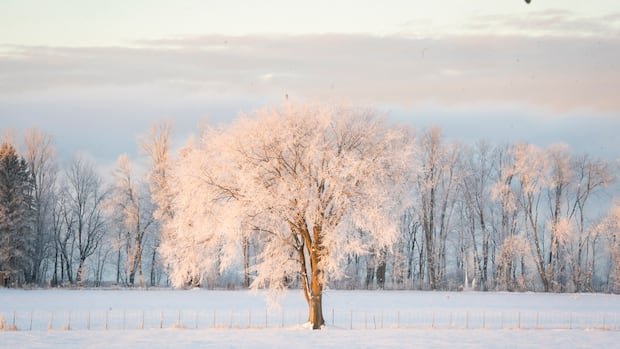

The year 2026 has just begun, and amidst ongoing events, the sudden drop in temperatures across Canada and the northern U.S. is causing concern, with some regions experiencing below –20 C temperatures that could reach as low as –40 C with wind chill.
A recent social media post went viral, suggesting that the extreme cold in states like North and South Dakota, Michigan, and others might lead to trees exploding. However, officials have clarified that while the cold poses risks, the exploding trees claim is not entirely accurate.
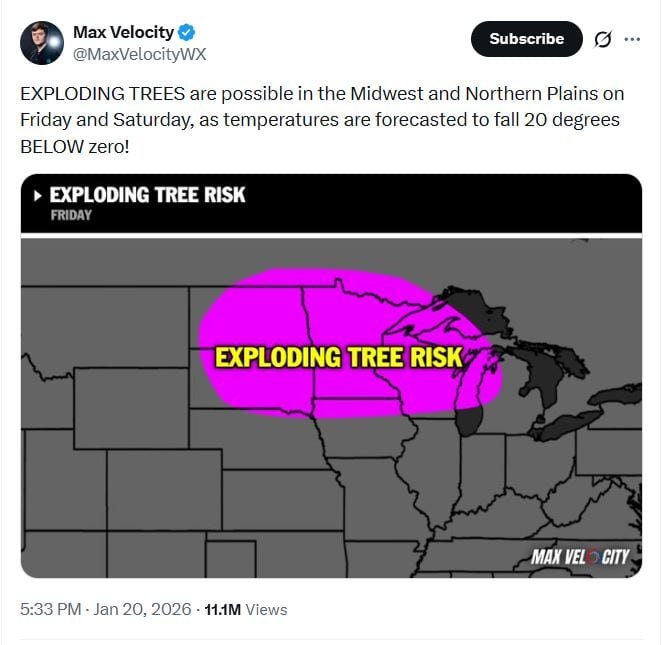
The cold snap, caused by a disruption in the polar vortex pushing Arctic air southward, is part of a significant winter storm expected to affect nearly 30 states from Friday to Monday, although the risk of trees exploding is minimal.
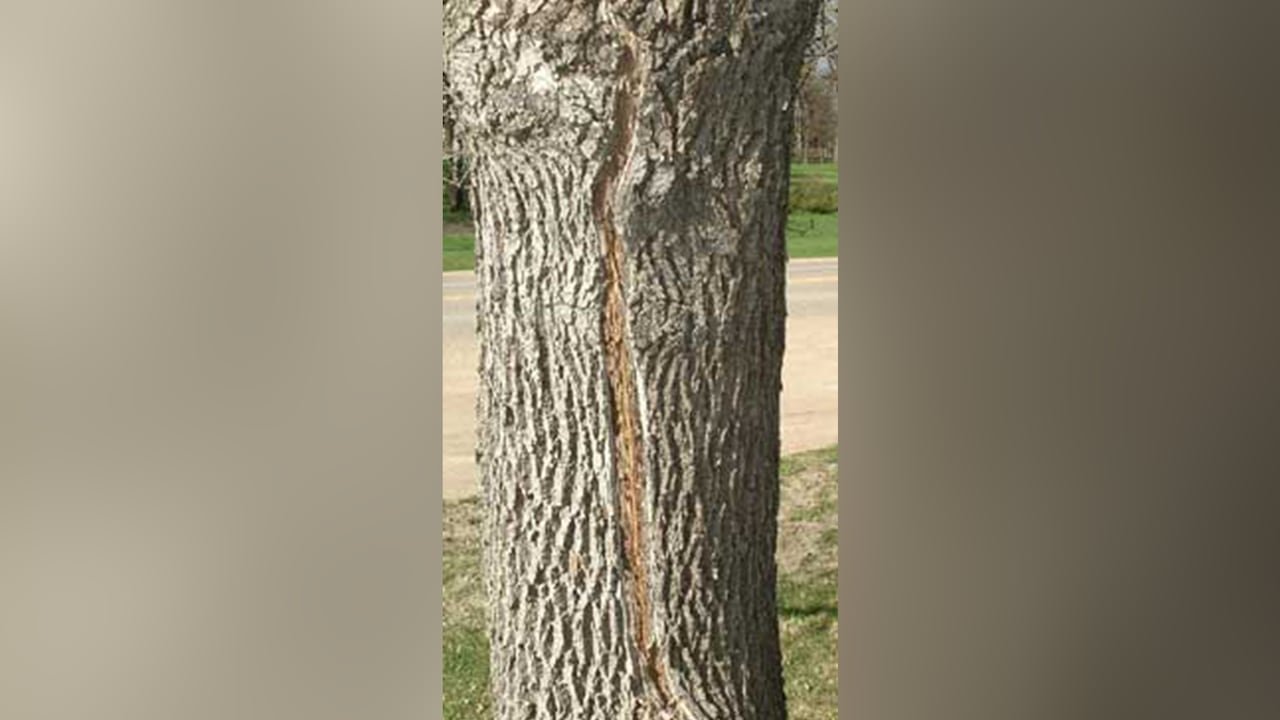
Experts explain that extreme drops in temperature can lead to frost cracks in trees, particularly in thin-barked varieties common in the Prairies, causing the water and sap within the tree to freeze rapidly and expand, resulting in loud cracking sounds akin to explosions.
While these cracks do not harm the trees and typically heal when temperatures rise, repeated cracking and healing can lead to permanent scars or “frost ribs” in the trunk. Certain hardwood and fruit-bearing trees are more susceptible to frost cracks due to their characteristics, but the overall risk of significant damage is considered low.
Aside from trees, other natural phenomena like frost quakes and thundersnow can also occur during severe cold spells, causing ground cracks and thunder-like sounds, respectively. These events are rare but can add to the dramatic impact of extreme winter weather.