
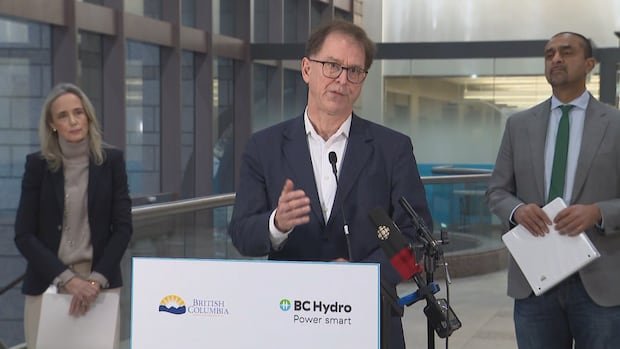

Data centers and artificial intelligence (AI) companies in British Columbia will now need to vie for electricity supply from B.C. Hydro under recent provincial regulations. The newly introduced competitive bid process, initiated on Friday, aims to enable B.C. Hydro to efficiently manage the grid, particularly in rapidly growing high-load sectors like AI and data centers, as highlighted by Energy Minister Adrian Dix during a recent news conference.
According to Charlotte Mitha, the President and CEO of B.C. Hydro, without a structured process in place, the power utility could be easily overwhelmed by the power-intensive demands from AI and data centers. She emphasized that serving every request immediately could potentially impact the affordability and reliability of power supply for regular customers in British Columbia.
The initial phase of projects will be competing for 400 megawatts of electricity over a two-year timeframe. Minister Dix reassured that this capacity, equivalent to around 35% of the power generated from the Site C dam, is substantial and not limiting for the industry. He stressed the importance of a planned approach rather than a first-come, first-serve system to avoid chaos and attract investments.
Bids will be evaluated based on various criteria, including data sovereignty, environmental advantages, Indigenous community involvement, and pricing, to ensure that electricity is directed towards industries offering significant benefits. Preference will be given to projects incorporating heat recovery, water conservation, and other energy-efficient practices in the competitive selection process.
While traditional sectors like mining, LNG, forestry, and manufacturing will continue under existing procedures without the need to bid, certain advanced projects will be grandfathered in under the previous rules, according to Minister Dix. Canadian companies are expected to have a competitive edge in the process.
In response to the government’s move, the B.C. Conservative Party criticized the electricity “rationing” and accused the selection process of favoring certain entities. They raised concerns over the insufficient power generation and transmission infrastructure to meet the rising demand from AI and other sectors. The Conservative Party warned that restricting electricity access could lead to project delays, increased costs for approved ventures, and higher risks for ratepayers.
The deadline for bid applications is set for March 18, with decisions expected to be finalized by early fall.