
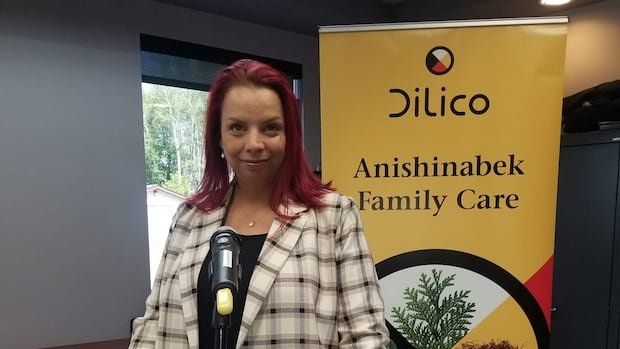

Alicia Gordon, a resident of Thunder Bay, Ontario, faced legal troubles, including property crimes and break-ins, exacerbated by a substance abuse problem. Between 2019 and 2021, she cycled in and out of jail until she found support through the John Howard Society’s bail verification and supervision program (BVSP), which facilitated her path to sobriety. Describing it as a safety net, Gordon credits the program for her positive turnaround.
In light of forthcoming federal legislation to overhaul the bail system, a recent report by the John Howard Society of Ontario urges the province to enhance the BVSP by expanding its reach, including the provision of bail beds, to various regions across Ontario. Safiyah Husein, the society’s policy director, emphasizes the importance of extending these programs to assist non-violent offenders in complying with their bail conditions. She notes that a significant number of individuals in provincial jails are awaiting trial or bail hearings while being legally innocent.
Husein highlights the complex social and health issues prevalent among individuals in the criminal justice and bail systems, such as mental health challenges, substance abuse, homelessness, and poverty. She stresses the strain on the system, emphasizing the need to concentrate on serious violent cases rather than managing these multifaceted issues.
The BVSP program allows individuals awaiting trial to be released into the community while receiving essential support services. Unlike traditional surety arrangements, BVSP focuses on addressing underlying issues like unemployment, housing instability, mental health concerns, and addiction. Husein reports that a vast majority of program participants successfully fulfill their court obligations without breaching any conditions.
Moreover, the program features bail beds throughout the province, offering supervised shelter to individuals lacking housing upon release. Husein asserts that expanding these initiatives would enhance overall system outcomes, alleviate pressures on jails, police, and courts, and promote effective release planning for those in custody.
Kara Hart, CEO of the John Howard Society of Peel-Halton-Dufferin, explains that BVSP eligibility is determined based on an individual’s risk level, considering factors like previous offenses and the likelihood of reoffending. The program’s focus on early intervention, according to Hart, leads to positive results.
Nicole Myers, a criminology professor at Queen’s University, emphasizes the importance of providing support rather than surveillance to individuals grappling with housing, mental health issues, or substance abuse problems. This approach, she argues, minimizes the risk of court non-appearance and enhances public safety by allowing the system to concentrate on more serious offenders requiring detention.
In response to the report, a statement from Julia Facca, press secretary for Ontario’s Attorney General Doug Downey, indicates the government’s commitment to reviewing the recommendations and advocating for substantial bail reform. Facca underscores the government’s dedication to enhancing community safety and pressing the federal government for comprehensive bail reform measures.
For Gordon, the BVSP has been instrumental in her journey to sobriety, stable employment, a fulfilling relationship, and the reunification with her children. She emphasizes the program’s pivotal role in reshaping her life positively and cherishes the opportunity it provided to rebuild crucial relationships.