
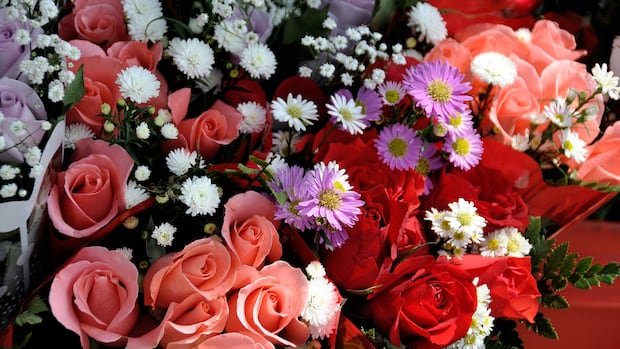

Flowers Hold Key to Earth’s Life: Beyond Beauty
Mother’s Day is a special time to honor the tireless efforts of moms, often celebrated with the timeless gift of flowers. These delicate blooms, renowned for their aesthetic charm and captivating scents, serve as messengers of emotions such as love, appreciation, and joy.
In the year 2025, a staggering 425 million flowers were harvested from greenhouses nationwide, as revealed by a recent study by Statistics Canada.
While we admire flowers for their visual and olfactory appeal, biologist David George Haskell sheds light on the profound evolutionary journey of these botanical marvels. He emphasizes that flowering plants emerged around 130 million years ago, quickly proliferating to constitute about 90% of all plant species on our planet.
Haskell highlights a pivotal innovation of flowers: the consolidation of male and female reproductive organs within a single blossom. Prior to this evolution, these critical functions were often segregated among various plant parts or even distinct plants.
By merging these reproductive elements, flowers ingeniously enable visiting insects to both transport and receive pollen, facilitating highly efficient reproduction processes, as Haskell explained to The Sunday Magazine’s host Piya Chattopadhyay.
Flowers, in their quest to attract pollinators, have evolved into vibrant showcases of colors and scents, captivating insects and other vital partners in their intricate reproductive dance.
Susan Dudley, a plant evolution expert at McMaster University, underscores that the diverse shapes, hues, and fragrances of flowers are a result of millions of years of co-evolution with animals, optimizing pollination efficiency.
Different pollinators are drawn to specific flower characteristics: red hues for hummingbirds, pale and fragrant blooms for moths, and deceptive scents mimicking decay for fly-pollinated flowers. Bees, crucial pollinators, are enticed by blue, yellow, or pink flowers with specialized landing pads.
The symbiotic relationship between flowers and animals extends beyond pollination. Fruits, the mature form of flowers, serve as protective vessels for seeds, aiding in seed dispersal. This innovation, as Dudley explains, ensures the propagation of plant species by enticing animals to carry seeds away from the parent plant.
Humans, however, can disrupt these intricate ecological connections by favoring aesthetically pleasing but less functional flower varieties, like modern roses bred for appearance rather than utility to pollinators.
Encouraging conscientious gardening practices, such as planting native species and avoiding harmful pesticides, can profoundly impact floral ecosystems, fostering biodiversity and sustaining essential pollinator populations.
David George Haskell advocates for a deeper appreciation of flowers, urging individuals to contemplate the world through the lens of these botanical marvels. By acknowledging the pivotal role of flowers in reshaping our planet’s biodiversity, we can forge a stronger connection with the natural world.
Next time you receive a bouquet, take a moment to ponder the intricate world of flowers and their profound impact on life as we know it.