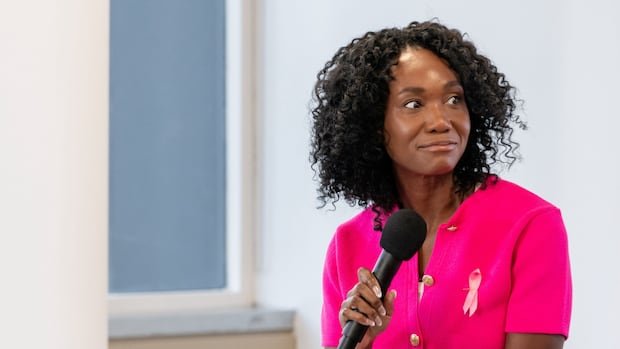

When Elysia Bryan, a resident of Toronto, discovered a lump in her right breast during the summer of 2020, she initially hoped it would vanish without intervention. Bryan, aged 34 and leading an active lifestyle, hesitated to schedule a screening for breast cancer immediately.
Despite the lump being visible and causing discomfort, Bryan chose to ignore it for several months. It wasn’t until April 2021 when she consulted her family doctor, who recommended a mammogram and biopsy. Following the biopsy, Bryan received a breast cancer diagnosis at St. Michael’s Hospital and underwent a lumpectomy within two weeks.
After enduring eight rounds of chemotherapy, 24 radiation sessions, a genetic test, mastectomy, and reconstruction, Bryan is now cancer-free and advocates for breast cancer screening.
“Early detection increases the chances of successful treatment. Delaying detection until later stages limits treatment options,” expressed Bryan.
Bryan collaborates with The Olive Branch of Hope, a group supporting Black women with breast cancer, and notes a rising number of young women being diagnosed with the disease.
“It’s crucial for young women to prioritize their health and undergo available screenings,” she emphasized.
Study Reveals Low Screening Uptake Rates
According to a recent study by the Hologic Global Women’s Health Index, only 15% of Canadian women reported undergoing breast or cervical cancer screenings in the past year. In comparison, 25% of American women reported screening for these cancers.
Hologic, in association with polling firm Gallup, compiled the index, which stands as a significant repository of data on women’s health and well-being.
The study highlighted that women with lower incomes, ethnic minority backgrounds, or immigrant status were less likely to receive screenings overall.
One year ago, Ontario reduced the self-referral age for mammograms by a decade, allowing women in their 40s to schedule the procedure without a doctor’s referral. With breast cancer affecting one in every nine Ontario women, the age adjustment aimed to enhance early disease detection and treatment accessibility.
“Early detection and improved treatment access save lives,” stated Health Minister Sylvia Jones in October last year.
However, Ontario Health reported that only about 21% of eligible women aged 40 to 49 have undergone screening since the policy change.
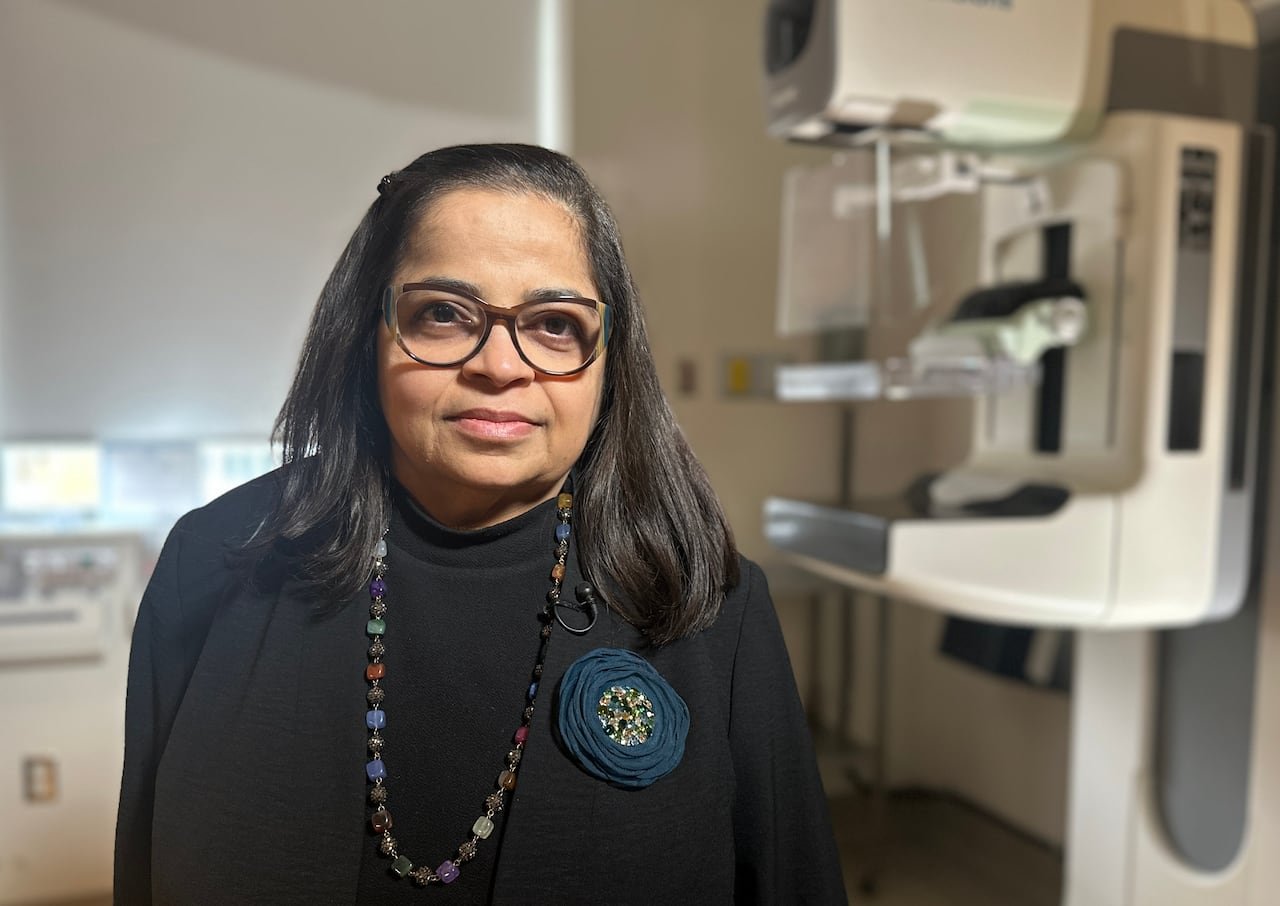
Dr. Supriya Kulkarni, a breast imaging radiologist at the University Health Network, revealed that over 1,000 mammograms were conducted at Women’s College Hospital in the past year. However, certain communities still lack access to screenings.
“Immigrant populations, refugees, individuals with language barriers, and First Nations communities are among the groups not fully utilizing our screening services. It’s vital to extend our reach to these populations,” Kulkarni stressed.
“Younger individuals, juggling family responsibilities, economic pressures, and limited access, also face barriers to screenings,” she added.