
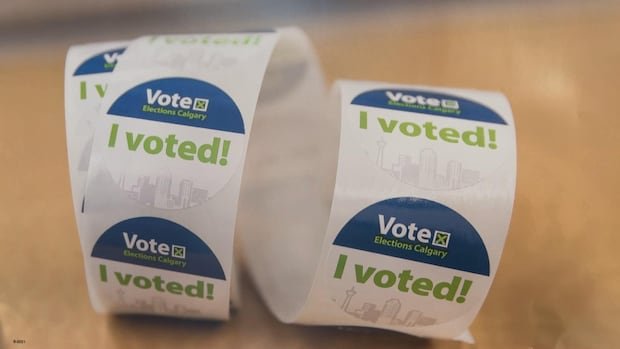

The participation of voters in local Calgary elections typically falls below that of federal or provincial elections, with some historically low turnouts. Notably, in 2004, during an election where incumbent mayor Dave Bronconnier faced off against little-known opponents, only 19.8% of eligible voters cast their votes. Similarly, in 1995, when Al Duerr secured re-election with over 100,000 votes while his competitors received significantly fewer votes, turnout was just 23.4%.
The upcoming election where Mayor Jyoti Gondek is running for a second term is raising concerns about declining voter engagement. Unlike previous elections, current polls indicate a competitive race for Calgary’s first female mayor, with several experienced candidates vying for the position. The potential tight contest has captured public attention, with many wondering about the factors influencing voter apathy in the 2025 election.
Experts like Lori Williams and Joey Oberhoffner have highlighted the importance of voter engagement in municipal elections. Williams emphasized the impact of each vote on the outcome, urging citizens to participate actively. Oberhoffner noted that low voter turnout diminishes the effectiveness of participatory democracy and stressed the value of informed voting.
Early indications suggest a decrease in voter turnout for the upcoming election based on the advance voting numbers reported by Elections Calgary. While previous elections saw a significant increase in early voting, the current election cycle has witnessed a decline in early ballot submissions, indicating lower voter engagement.
Recent polling data shows a close race among the top mayoral candidates, with Jeromy Farkas, Jyoti Gondek, and Sonya Sharp leading the pack. However, a substantial percentage of undecided voters adds uncertainty to the election outcome. Factors such as competing global and national issues, the introduction of a new party system, and lack of clarity in candidate platforms have contributed to voter indecision and disengagement.
The proliferation of political distractions, including ongoing strikes and international conflicts, has further diverted public attention from the municipal election. The complexity of the new party system and the lack of clear policy positions by candidates have left voters feeling overwhelmed and uninterested in the current electoral landscape.
As the election day approaches, the challenge remains to mobilize voters and encourage informed decision-making amidst a sea of competing priorities and distractions. The outcome of the 2025 Calgary municipal election will likely hinge on the ability of candidates to capture the attention and support of an increasingly disengaged electorate.