
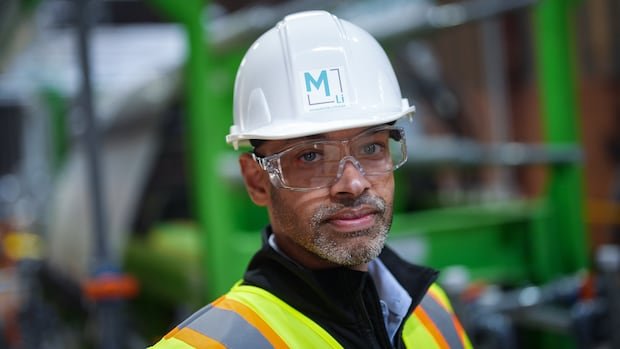

Situated within unassuming industrial buildings in Delta, British Columbia, amidst various companies specializing in plumbing supplies, ladders, and fitness equipment, stands North America’s inaugural electrochemical lithium refining facility. It seems an improbable location for Canada to challenge China’s dominant position in lithium refining, a vital mineral whose supply chains have become a significant concern across various governments.
During a private tour, Mangrove Lithium’s CEO and founder, Saad Dara, humorously likened the facility to a “clown building.” Amidst the machinery noise, he highlighted different sections of the facility, including the research and development lab.
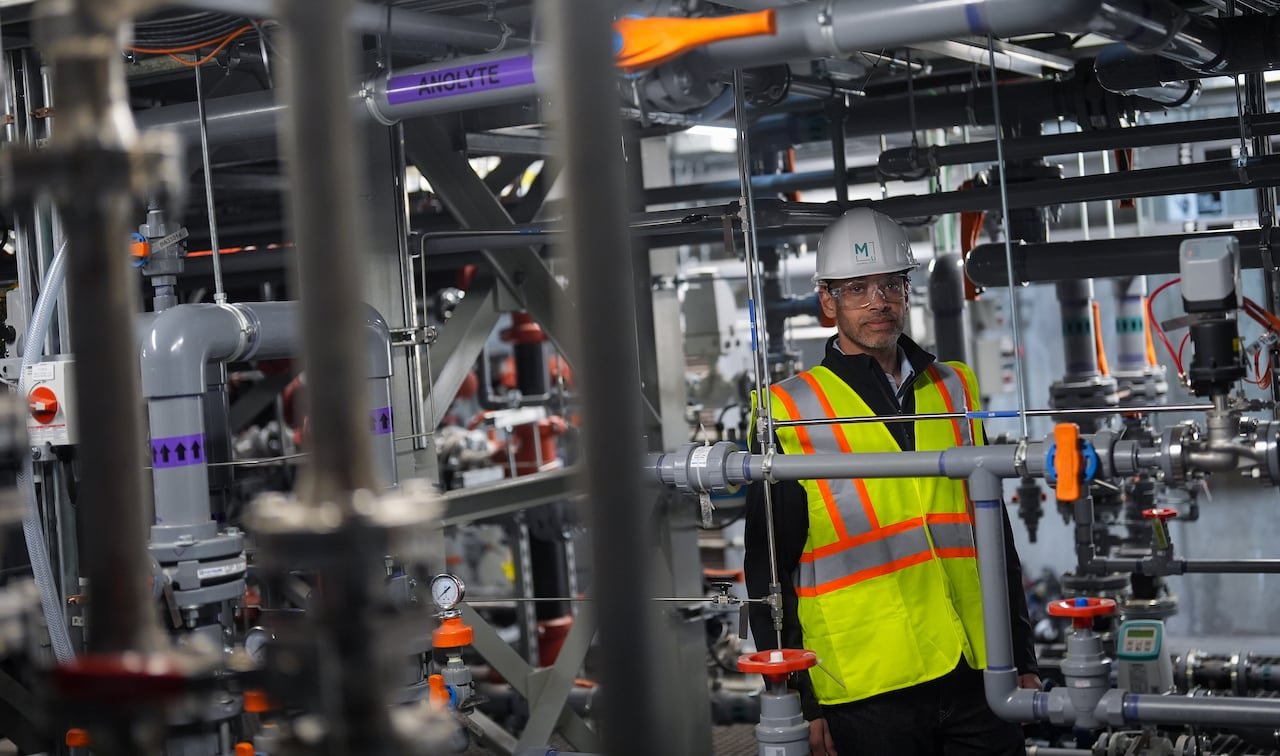
While the company recently celebrated its official opening ceremony, Dara emphasized the long and challenging journey leading up to this milestone. Originating as a “one-man operation” and a personal thesis project in 2013, the idea evolved into a company in 2018, with continuous efforts to commercialize the technology.
Dara mentioned the current workforce at the facility comprises approximately 75 employees. He expressed optimism about the upcoming production of natural-grade materials and the full commercialization of the technology.
Trade Dynamics
The establishment of such facilities comes at a time when countries are striving to secure supply chains due to escalating trade tensions and the surging demand for metals like copper, nickel, and lithium, essential for electrification and defense purposes.
Lithium has been designated a critical mineral by the federal government due to its significance in battery production and the transition to renewable energy. Canada currently operates two mines in Manitoba and Quebec.
Dara highlighted that a significant portion of the world’s lithium is sourced from South America and Australia, with about 75% of the refining process taking place in China, including the majority of lithium extracted in Canada.
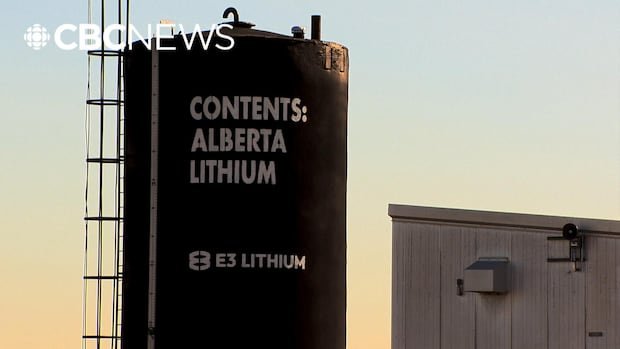
Dara noted the six segments of the lithium market, encompassing mining, refining, active materials, battery assembly, EV assembly, and recycling, with China currently dominating all these segments due to its early investments in the industry.
Although Canada contributes to lithium production, it lacks capabilities in EV assembly, active materials, and recycling, areas that the company aims to develop gradually.
With the inauguration of their refinery, Canada is taking steps to establish a lithium supply chain that was previously absent.