
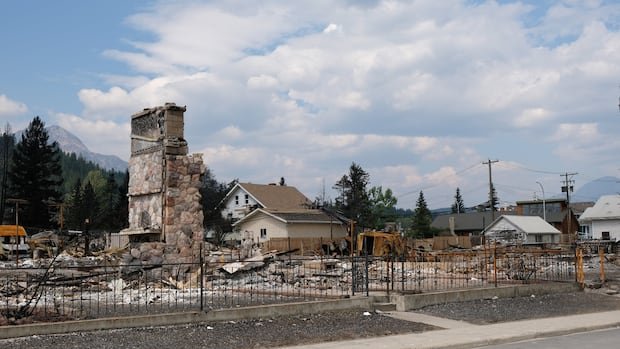

Canada’s wildfire seasons are experiencing an alarming shift, with a recent analysis by the Canadian Forest Service indicating longer, larger, and more devastating wildfires over the past six decades. The study reveals that the increase in wildfire damage is primarily driven by a reduced number of but larger wildfires causing more extensive destruction, a trend initially identified by federal scientists years ago.
A 2019 study by Natural Resources Canada highlighted a steady rise in wildfire activity since the mid-20th century, attributed to escalating temperatures and prolonged fire seasons. The latest research, published in the Canadian Journal of Forest Research, extends the analysis up to 2024, utilizing advanced satellite mapping and data from nine additional severe fire seasons, including 2021, 2023, and 2024.
Findings show a continuous escalation in the area burned by wildfires across various Canadian eco-zones, including regions like the Pacific Northwest and Atlantic Canada, previously considered lower risk due to wetter conditions. Despite most wildfires being triggered by lightning strikes, the study points out a resurgence in human-caused fires since the early 2000s, linked to hotter, drier climates that make fire suppression more challenging.
Chelene Hanes, a research scientist at the Canadian Forest Service, emphasizes that the uptick in human-caused fires, especially larger ones, is a consequence of drier fuel conditions. With wildfires reaching unprecedented scales and intensities, traditional firefighting strategies are limited, prompting a shift towards containment and protection approaches.
The impact of these mega wildfires is increasingly visible nationwide, with recent seasons witnessing destructive blazes like the 2021 infernos in British Columbia and the historic 2023 wildfire season scorching over 15 million hectares. The 2024 wildfire in Jasper National Park forced massive evacuations and inflicted substantial damages, underscoring the evolving wildfire landscape in Canada.
Moreover, the surge in wildfire risk is reshaping Canada’s insurance sector, with rising losses prompting adjustments in premiums and coverage policies, particularly in high-risk wildfire zones. Insurance losses from wildfires have surged significantly in recent years, necessitating insurers to reassess how they price coverage in vulnerable communities.
As the wildfire threat intensifies, insurers are adapting to manage their risk exposure, ensuring that wildfire coverage remains a standard inclusion in home insurance policies across Canada. Unlike California’s situation where insurers withdrew from high-risk areas post-catastrophic losses, Canadian insurers are recalibrating their strategies to navigate the evolving wildfire landscape effectively.