
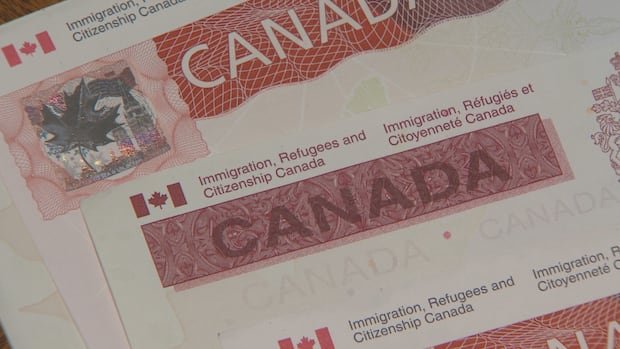

The Canadian government is planning to decrease the intake of temporary residents over the next few years. The target is set at 385,000 for the upcoming year, which represents a 43% reduction from the 2025 goal. Subsequently, the numbers are expected to drop to 370,000 in the subsequent two years, marking a decline of about a quarter from the previous immigration plan. This shift indicates a move towards limiting the number of immigrants entering Canada.
Finance Minister François-Philippe Champagne stated that the government aims to maintain immigration at sustainable levels. He emphasized the need to manage the capacity for welcoming newcomers, suggesting a change in approach from the previous administration led by Justin Trudeau. The government had already signaled its intention to decrease the proportion of temporary residents in Canada’s population.
Recent data shows a significant decrease in the number of temporary foreign workers, international students, and asylum claims compared to the previous year. This reduction aligns with the government’s goal of granting permanent residency to 380,000 immigrants annually over the next three years. The emphasis is now on addressing economic needs and attracting highly skilled individuals.
The government aims to increase the proportion of economic migrants among permanent residents from 59% to 64% in the coming years. Statistics indicate that recent immigrants face higher unemployment rates and are more likely to work in fields unrelated to their education. To address these challenges, the Liberals have allocated $97 million to expedite the recognition of foreign credentials.
In a bid to streamline the immigration process, a one-time measure has been proposed to fast-track the permanent residency status of 33,000 work permit holders. Additionally, a new accelerated pathway will be established for U.S. H-1B visa holders, particularly those in specialized occupations like technology. This initiative comes in response to changes in the U.S. visa system and aims to attract skilled workers to Canada.
The budget also includes substantial funding to attract international researchers to Canadian universities over the next 13 years. Furthermore, measures will be implemented to expedite the permanent residency status of protected persons awaiting approval. Despite these efforts, the government’s plan has faced criticism from migrant rights groups, with concerns raised about the treatment of refugees and migrants in Canada.
These developments signal a strategic shift in Canada’s immigration policies, emphasizing economic priorities and the attraction of high-skilled individuals to support the country’s growth and development.