

This article is the first part of a series discussing the impact of climate change on winter sports. The next part will focus on athletes’ responses and actions taken by authorities in Canada and globally to combat this issue.
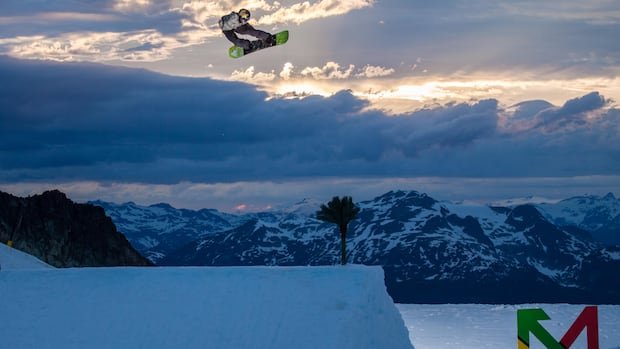
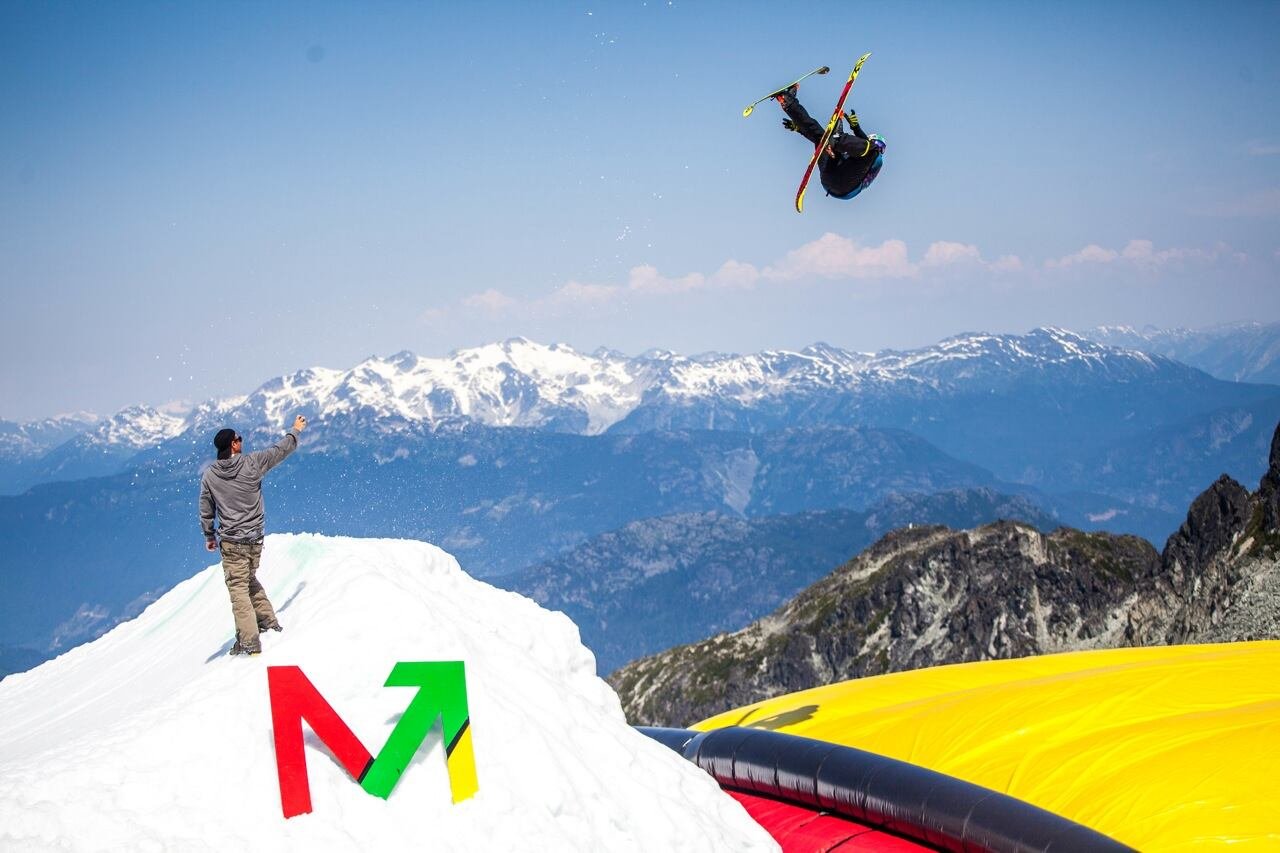
For over 20 years, young skiers and snowboarders have trained on Whistler Blackcomb’s Horstman Glacier during summers, learning from some of Canada’s top athletes.
Momentum Camps, where Olympic dreams are nurtured and passion for sports grows, has been a breeding ground for champions. From Alex Bilodeau to Cassie Sharpe and Jennifer Heil, many former campers have excelled in their respective disciplines at the highest levels.
John Smart, a two-time Olympian and creator of Momentum Camps, aimed not only to produce champions but also to expose kids to role models promoting healthy lifestyles.
However, the rapid melting of the glacier led to the discontinuation of summer skiing and snowboarding on Horstman Glacier in 2024 due to safety concerns, impacting both aspiring athletes and elite competitors in Canada.
This loss forced top athletes to seek training opportunities in Europe during the Canadian summer, incurring additional costs and disruptions to their routines.
The cessation of summer skiing serves as a stark reminder of the existential threat posed to winter sports by global warming.
A 2024 study commissioned by the International Olympic Committee highlighted the shrinking number of suitable locations to host Winter Olympic Games due to climate change, with just half of the previous host cities projected to remain viable by the 2050s.
The ski and snowboard community is witnessing an increasing number of event cancellations or modifications due to safety concerns, reflecting the broader impact of climate change on the industry.
Leaders and negotiators at the UN Climate Conference, COP30, in Brazil are discussing the urgent need to address climate change, recognizing its implications for various sectors, including winter sports.
John Smart is exploring solutions to reintroduce summer skiing on Whistler Mountain, a project estimated to be at least two years away and requiring substantial investment.
Efforts such as relocating snowmaking operations higher up the glacier and implementing snow farming techniques are being considered to mitigate the impact of glacier melt and preserve skiing opportunities.

Johan Eliasch, CEO of the International Ski and Snowboard Federation, emphasizes the positive impact of summer skiing on glacier preservation, aligning with the push for sustainable practices in winter sports.
Read more