

Former FBI director James Comey and current New York State Attorney General Letitia James are contending that their recent indictments are politically motivated and driven by Donald Trump’s hostility. They are seeking to dismiss the charges by arguing that the attorney, appointed by Trump, who brought the indictment in Virginia, is not appropriately serving in that role. They are also referencing a Justice Department memo authored by a current Supreme Court justice to support their case. A hearing took place in Alexandria, Va., with a decision expected to be delayed.
The Trump administration has faced setbacks this year in similar challenges regarding appointments in New Jersey, Nevada, and California. In the initial days of Trump’s second term, changes in personnel occurred as new officials were appointed, including Erik Siebert being sworn in as the interim U.S. Attorney for the Eastern District of Virginia without Senate confirmation. Siebert resigned just before Comey and James were indicted on various charges.
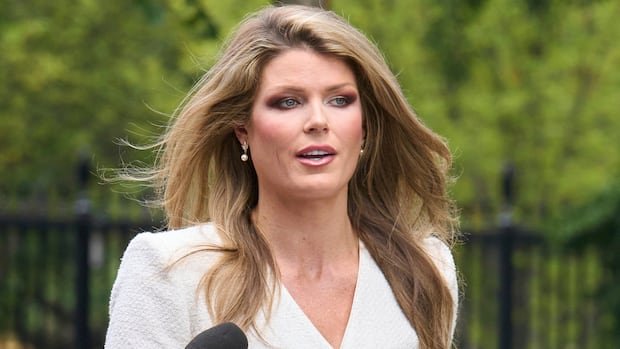
Halligan, with a background in insurance law and ties to Trump, succeeded Siebert after his resignation. Some Democrats found the timing of these events suspicious, particularly as Trump claimed he fired Siebert. Legal experts raised concerns about the validity of Halligan’s appointment, citing potential constitutional violations.
The central argument revolves around the legality of Halligan’s appointment exceeding the 120-day limit for interim U.S. attorneys. Comey and James’ attorneys argue that repeated interim appointments circumvent Senate confirmation processes. The Justice Department, however, defends Halligan’s appointment as lawful and authorized.
Discussions also involve a Justice Department memo from the Reagan era, suggesting limitations on interim appointments for U.S. attorneys. The case is being heard by a federal judge due to recusals in Virginia. A ruling is expected before Thanksgiving.
Recent rulings disqualifying federal prosecutors in California and Nevada due to improper appointments have set a precedent. Challenges to maintain appointments in New Jersey have faced legal resistance. The outcome of Halligan’s case will determine the administration’s stance on pursuing criminal prosecutions against Comey and James.
The statute of limitations plays a crucial role, with Comey’s charges expiring in September and James facing a longer timeline for prosecution. The legality of appointments and their implications for ongoing cases are under scrutiny, raising concerns about political interference in the justice system.