

Canadian conservationists and wildlife experts express concern following the decision by the U.S. President Donald Trump’s administration to weaken habitat protections for endangered species. The U.S. Department of the Interior announced on July 10 that it was rescinding a long-standing definition of “harm” under the Endangered Species Act (ESA).
This move has drawn criticism from wildlife and environmental groups, who argue that it disregards the critical ecosystems that vulnerable species rely on, especially in the face of widespread biodiversity loss and industrial pressures. Nearly a dozen organizations have taken legal action by filing a lawsuit in U.S. District Court to challenge the repeal, which is set to take effect on September 14.
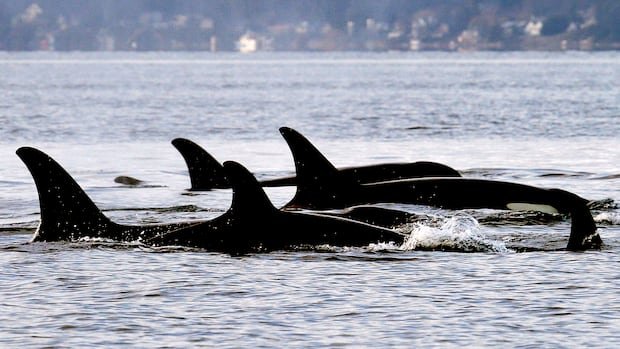
Canadian experts have highlighted the potential impact on species that traverse both U.S. and Canadian territories, such as migratory birds, northern spotted owls, grizzly bears, and southern resident killer whales. According to Torrance Coste, the associate director of the Wilderness Committee advocacy group in British Columbia, these species move freely between U.S. and Canadian waters without recognizing political boundaries.
The revised definition of “harm” by the U.S. administration aims to address what it describes as federal overreach and reduce burdens for landowners and communities while maintaining Endangered Species Act protections. This change has been met with criticism, with Noah Greenwald, endangered species co-director at the Center for Biological Diversity, arguing that it undermines decades of species protection efforts.
Dennis Murray, a biology professor at Trent University specializing in wildlife conservation, emphasizes the importance of habitat protection in safeguarding biodiversity. He notes that habitat destruction remains a primary driver of species loss globally, citing examples like monarch butterflies, which rely on specific plants for survival.
While the focus is on U.S. policies, concerns have been raised about Canada’s direction as well. Prime Minister Mark Carney’s government is considering measures to expedite permitting for major infrastructure projects, potentially impacting species at risk. Environmental advocates stress the need for stronger protections and laws to safeguard wildlife populations in both countries.
The discussion paper released by the Canadian government seeks feedback on potential legislative changes but emphasizes that environmental impact mitigation will continue to be a priority. Canada reaffirms its commitment to conservation efforts, including a significant federal nature strategy announced earlier this year. Collaboration with the U.S. on wildlife and ecosystem conservation remains a key aspect of Canada’s environmental agenda.