
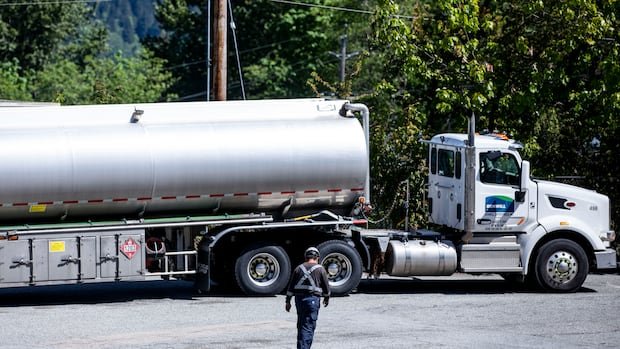

Amid the ongoing conflict in the Middle East, the price of crude oil is significantly surpassing the $100 US mark, impacting consumer-focused businesses such as airlines, shipping companies, and rideshare services. In response to rising fuel costs, many of these businesses have implemented temporary fuel surcharges on top of their regular rates to account for the fluctuating gas prices.
Various Canadian companies in different industries were contacted by CBC News to inquire about their plans regarding fuel surcharges, with updates continually being added to the information. Airlines, in particular, are facing substantial increases in jet fuel costs, with the International Air Transport Association reporting a 116.8% surge in the average price of jet fuel compared to the previous year.
Air Canada mentioned that fuel price changes directly influence flight costs, while Air Canada Vacations introduced a $50 per passenger fuel surcharge for warm-weather destinations on new bookings since April 6. WestJet adjusts fares in response to fuel price fluctuations, and Porter Airlines added a temporary $40 “peak surcharge” for VIPorter bookings, with intentions to revert to standard pricing once oil prices stabilize.
For rideshare and delivery services, companies like DoorDash and Lyft have initiated relief programs to assist drivers in managing increased fuel expenses. DoorDash drivers will receive an extra $1.50 per 50 kilometers driven until April 26, while Lyft’s program is in effect from March 27 to May 26. Hopp is monitoring the situation to implement targeted measures for drivers, and Uber has enhanced cash-back rewards for fuel purchases without imposing surcharges on riders.
Regarding bus and rail services, Via Rail confirmed no plans for fuel surcharges, while FlixBus stated they do not have such fees. Shipping companies like Canada Post, FedEx, UPS, and Purolator have adjusted their fuel surcharge rates based on fuel prices, which are updated weekly and directly reflected in invoices.
As fuel prices continue to impact businesses across various sectors, companies are navigating these challenges by implementing strategies to mitigate the financial burden posed by escalating gas costs.