
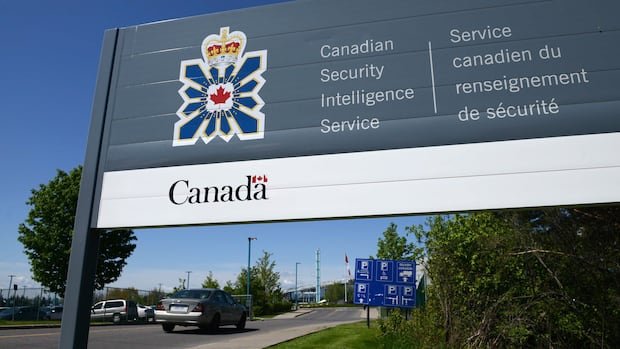

Amid uncertainty surrounding the fate of the Liberal government’s security bill, the historically secretive Canadian Security Intelligence Service (CSIS) is voicing concerns about the impact on its investigations. Senior CSIS officials, who requested anonymity due to the sensitive nature of their work, highlighted challenges in obtaining court-approved information from electronic service providers, hampering national security probes.
According to sources, CSIS is facing difficulties in accessing crucial data for investigations, potentially jeopardizing their ability to fulfill their mandate. The agency’s remarks were disclosed during a recent briefing with CBC News regarding Bill C-2, a contentious legislation introduced by the Liberal government. Originally aimed at enhancing border security, the bill also encompasses provisions related to lawful access and surveillance for CSIS and the RCMP.
Following extensive criticism, including from the Conservative Opposition, the government has split the bill, with proposed border measures now part of the revised Bill C-12. However, the future of Bill C-2 remains uncertain, with Public Safety Minister Gary Anandasangaree hinting at necessary amendments without specifying a timeline.
CSIS insiders emphasized the urgent need for legislative alterations, expressing concerns about the agency’s diminishing operational effectiveness without updated legal frameworks. While CSIS currently possesses warrants to request data from telecommunications companies, challenges persist in obtaining electronic communications, rendering some investigations ineffective.
To address these obstacles, Section 15 of the bill mandates service providers to facilitate lawful access requests, ensuring the availability of operational capabilities for data extraction. Despite reservations from privacy advocates about potential overreach, CSIS contends that streamlined access to information is vital for national security efforts.
Moreover, the agency’s struggles align with findings from the National Security and Intelligence Committee of Parliamentarians (NSICOP), which underscored the inadequacy of existing tools and policies for lawful access during investigations. The CSIS sources noted the disparity with intelligence partners in the Five Eyes alliance, emphasizing the need for alignment with international standards.
As debates intensify over the proposed legislation, concerns persist about the broad powers granted to the public safety minister and the implications for privacy rights. The ongoing discourse reflects a complex interplay between security imperatives and civil liberties, underscoring the need for a balanced approach to legislative reforms in the national security landscape.