
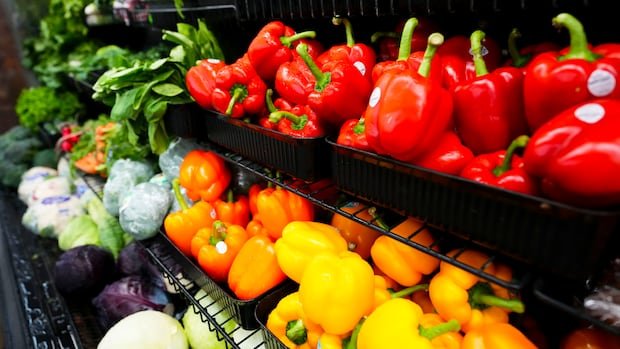

Could the concept of public grocery stores be successful in Canada? From Toronto to New York City, there is a growing interest among politicians to address the issue of increasing food prices through the establishment of government-operated grocery stores.
New York City Mayor Zohran Mamdani proposed a model where the city would cover construction costs, rent, and property taxes, with the aim of passing on the savings to consumers by leasing the store to a private operator. Similarly, Toronto city council recently approved a motion for a pilot program mirroring this approach, set to be introduced next spring. Avi Lewis, the newly elected federal NDP leader, has also advocated for the establishment of public grocery stores in Canada.
Proponents of this initiative argue that these stores would offer essential items at lower prices compared to private grocery stores. However, critics remain skeptical, labeling the idea as underdeveloped and a potential waste of public funds.
According to Statistics Canada, Canadian grocery prices saw a 5.7% increase in February compared to the previous year. The Canada Food Price Report predicts a further 4-6% rise in prices this year, leading to a significant increase in the cost of food for families.
Michael von Massow, a food economist, warns that public grocery stores may not be a definitive solution to the inflationary pressures on grocery prices. He emphasizes that the government lacks the necessary expertise to thrive in an industry known for its narrow profit margins.
Rial Carver, from Kansas State University’s Rural Grocery Initiative, highlights the importance of selecting competent individuals to manage public grocery stores successfully. She outlines two main operational models: public-private partnerships and municipal ownership, each with its unique benefits.
Errol Schweizer, a former Whole Foods executive, suggests looking at the U.S. military commissary model for insights into public grocery store operations. Schweizer emphasizes the importance of comprehensive subsidy models for effective cost management.
Gary Sands, representing the Canadian Federation of Independent Grocers, proposes focusing on enhancing efficiency within the food supply chain rather than solely on ownership models. He suggests measures like establishing regional distribution centers and providing support to independent grocers to improve competitiveness.
In response to high living costs, the Canadian government introduced affordability measures, including the groceries and essentials benefit, aimed at easing financial burdens for individuals and families. These initiatives are geared towards directly assisting those in need rather than through indirect means.
In conclusion, while the concept of public grocery stores in Canada has sparked debate, experts emphasize the need for comprehensive strategies to address the underlying challenges in the food industry.