
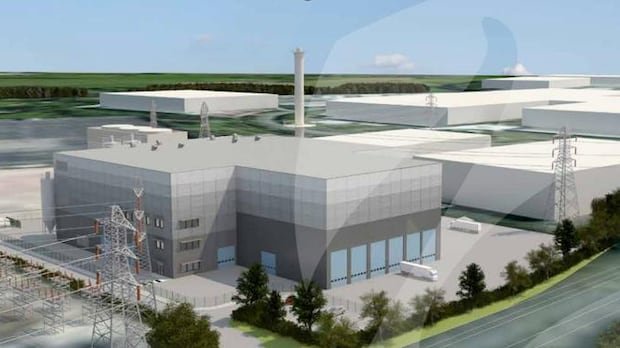

A proposed $400 million facility in Edmonton that aimed to convert landfill waste into electricity is in jeopardy following a recent carbon tax agreement between the Alberta and federal governments. The original plan was for the national industrial carbon price to increase to $170 per tonne by 2030. However, a revised deal by Prime Minister Mark Carney and Alberta Premier Danielle Smith now sets the price to reach $130 per tonne by 2040.
Varme Energy, the company behind the waste-to-energy project, is facing challenges due to the policy change. The project, which involves capturing greenhouse gases and storing them underground while generating carbon credits for sale, may become financially unviable with the lower carbon price.
Without further adjustments in government policies in the coming months, Varme Energy’s CEO, Sean Collins, indicates that the company may have to abandon the project due to financial constraints. The agreement between Carney and Smith also includes initiatives to reduce methane emissions, streamline project regulatory processes, and explore a new oil export pipeline to the West Coast.
The decision to lower the carbon price was influenced by concerns from large industrial companies about cost competitiveness compared to the U.S., where there is no carbon tax. However, experts like Ross Linden-Fraser from the Canadian Climate Institute warn that a slower and lower carbon price increase in Alberta could lead to reduced investments in emission reduction projects.
Varme Energy has existing agreements with Edmonton’s landfill and permits to produce electricity. The company has secured funding from the Alberta government and support from the federal Canada Growth Fund to ensure the sale of carbon credits at a minimum of $85 per tonne. Despite this, the project’s operational cost of approximately $118 per tonne may no longer be financially viable under the new carbon price trajectory.
Collins urges the federal government to address the revenue challenges faced by projects like theirs, emphasizing the importance of sustainable revenue solutions. Varme Energy, a subsidiary of a Norwegian clean energy company, specializes in waste diversion projects that convert garbage into electricity.
The carbon capture sector hopes for additional policy changes that would enable companies to sell carbon credits in different markets at better prices. As the new carbon pricing agreement is implemented, stakeholders will monitor credit calculation methods and potential loopholes that could impact carbon tax obligations.
For Collins and Varme Energy, time is running out. The fate of the proposed project hinges on supportive fiscal policies. If favorable changes are not made, the project may face cancellation in the near future, despite the team’s dedication to contributing to a landfill-free future in Canada.