
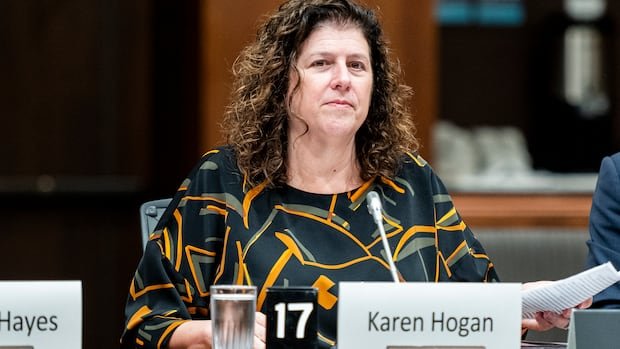

Indigenous Services Canada has received a critical evaluation from the federal auditor general on various aspects. In a strongly worded report released on Tuesday by Karen Hogan, it was revealed that the department had not made satisfactory advancements in addressing issues highlighted in six previous audits conducted between 2015 and 2022. Consequently, First Nations communities continue to encounter obstacles in accessing essential services such as healthcare, dental care, clean drinking water, and emergency assistance.
The report emphasized that without significant improvements in overcoming these challenges, the federal government may struggle to enhance service delivery, program outcomes, and advance reconciliation efforts. Despite a nearly twofold increase in spending on Indigenous services over the past five years, according to Hogan’s testimony at the House of Commons standing committee on public accounts, progress has been lacking.
Hogan stressed the need for sustained commitment from Indigenous Services Canada to revamp program delivery methods by collaborating with First Nations to enhance their capabilities. Ontario Regional Chief Abram Benedict, representing 133 First Nations in the province, expressed disappointment but not surprise at the audit findings. He highlighted the ongoing issues with access and resources, emphasizing that many basic necessities and rights are still unmet within Indigenous communities.
The audit revealed a substantial growth in spending on Indigenous programs, yet the department failed to implement over half of the auditor general’s recommendations. The report criticized the lack of consistent management focus, uncertainty regarding the expected service levels, failure to empower First Nations to manage programs independently, and a fragmented approach to supporting communities.
Indigenous Services Minister Mandy Gull-Masty attempted to portray the findings positively, viewing the report as a guiding tool for improvements rather than a failure. She emphasized the department’s collaborative efforts with partners and highlighted the importance of community involvement in program development.
In response to the report, Gull-Masty acknowledged historical funding inadequacies for First Nations and emphasized the need for clearer goal-setting within the department. Despite some disagreements with certain aspects of the report, she emphasized the importance of transparent and inclusive approaches towards achieving set objectives.
Benedict viewed the government’s response as standard procedure but agreed that the report presents an opportunity for Canada to empower First Nations in decision-making processes. He stressed the inherent right of communities to self-govern and called for a shift in decision-making authority back to the First Nations.
Overall, the report underscores the urgent need for proactive measures to address the persistent challenges faced by Indigenous communities in Canada.