
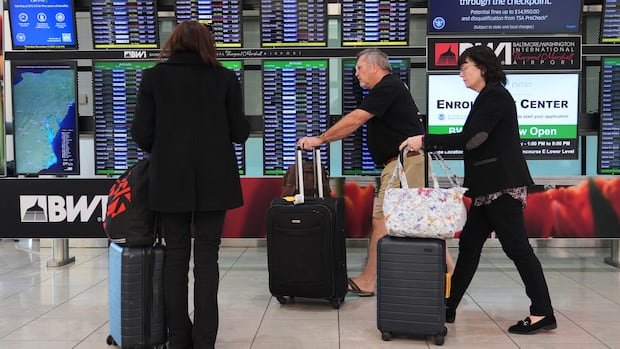

U.S. air carriers initiated the cancellation of numerous flights on Thursday as a measure by the Federal Aviation Administration to alleviate congestion at the nation’s busiest airports due to the government shutdown impacting operations. By late Thursday, FlightAware reported that over 760 flights had been axed from Friday’s airline itineraries.
The FAA identified 40 airports across more than two dozen states, including major hubs like Atlanta, Dallas, Denver, Los Angeles, and Charlotte, N.C., for reduced traffic, affecting multiple airports in metropolitan areas such as New York, Houston, Chicago, and Washington.
The FAA’s official order, issued Thursday evening, outlined a phased reduction plan starting at four percent on Friday and escalating to 10 percent by Nov. 14, in effect from 6 a.m. to 10 p.m. local time and impacting all commercial airlines. This measure aims to ensure safety amid signs of strain among air traffic controllers during the shutdown, coinciding with increased pressure from the Trump administration on Congress to end the impasse.
Air traffic controllers, working without pay since the shutdown commenced on Oct. 1, have been taking more sick days, leading to concerns about operational risks and fatigue as controllers are mandated to work overtime six days a week.
As airlines scrambled to adjust schedules ahead of the reductions, American Airlines announced a four percent reduction in flights at affected airports from Friday to Monday, with plans to reach the 10 percent target gradually. The international flight schedule is expected to remain unaffected.
The impact of the cuts may be felt across the U.S. air transportation system, with some carriers focusing on trimming routes to and from smaller cities. The reductions could disrupt travel plans for passengers, prompting some airlines to offer refunds for affected passengers holding non-refundable tickets. Amid these changes, some travellers have opted to alter their plans or explore alternative travel options.
The flight reductions just before the upcoming holiday season have prompted concerns among travellers, with estimates suggesting that the cuts could affect up to 1,800 flights and over 268,000 passengers daily. These adjustments are expected to remain in place until safety data improves, potentially damaging confidence in the U.S. air travel experience.
The ongoing shutdown is creating undue strain on the aviation system and eroding trust in the reliability of air travel, noted U.S. Travel Association President and CEO Geoff Freeman. Amid the situation, travelers like Kelly Matthews from Flat Rock, Mich., have canceled upcoming trips, recognizing the challenges faced by federal airport employees working without pay for an extended period.