
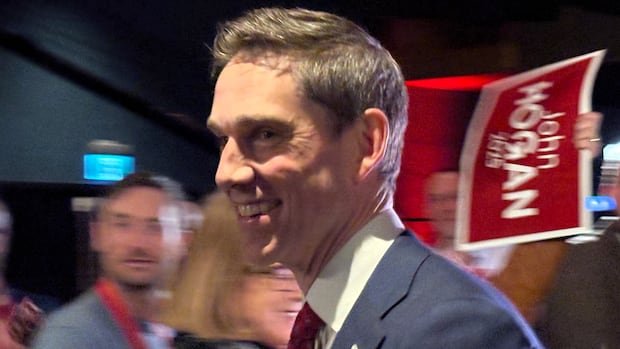

The former premier of Newfoundland and Labrador has been avoiding interviews since his Liberal Party lost to the Progressive Conservatives over a week ago. John Hogan has not made any public statements following his concession speech on October 14, raising speculation about his political future leading the now Official Opposition Liberals in the House of Assembly.
Yvon Grenier, a political scientist at St. Francis Xavier University, noted the significant shift in expectations as Hogan had anticipated a Liberal victory shortly before the defeat. On election night, the Progressive Conservatives secured a majority with 21 out of 40 seats, while the Liberals retained 15 seats, and the NDP and independents also gained representation.
During his emotional concession speech, Hogan expressed gratitude to his supporters and urged the new government to finalize an agreement with Quebec regarding the Churchill River. However, he avoided questions from reporters at the end of his speech and has since declined interview requests from CBC/Radio-Canada journalists.
A spokesperson for Hogan mentioned that he is currently focused on transition matters and spending time with his family. Speculation on Hogan’s future role within the party and in politics is ongoing among experts, with considerations about his leadership status and potential paths forward.
As the Liberals analyze the election outcome, questions also arise about the PC Party’s transition to power after a decade under Liberal governance. While uncertainties persist around the new cabinet’s inauguration and the fall session agenda, premier-designate Tony Wakeham has already appointed his chief of staff and transition team, including experienced individuals from his party’s ranks.
Experts emphasize the need for introspection within the Liberal Party following the unexpected election results and highlight the importance of the PC Party’s smooth transition to government. The upcoming period will likely witness key decisions regarding leadership roles and strategic directions for both political entities.