
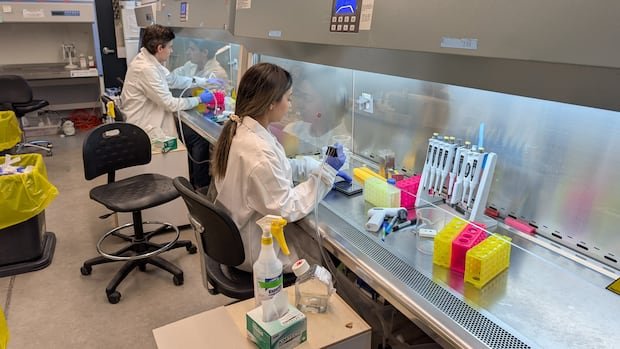

A documentary from Quirks & Quarks explores the future of science beyond animal testing, shedding light on the limitations of traditional methods in the field of biomedical research. Charu Chandrasekera, a former biomedical researcher, made a pivotal career shift after realizing the ineffectiveness of animal testing in translating findings to human health outcomes. This realization led her to establish the Canadian Centre for Alternatives to Animal Methods at the University of Windsor in 2017.
Despite significant advancements in alternative technologies such as 3D bioprinted tissues using human cells, the lack of funding forced Chandrasekera to close her lab in 2024. Unlike other countries like the U.K, the United States, and the European Union, Canada lacks a comprehensive plan to replace animal testing in biomedical research, which accounts for a significant percentage of the animals used in Canadian research settings each year.
Experts in the field believe that transitioning away from animal testing is not only inevitable but also presents a lucrative opportunity, with the industry projected to reach $30 billion by 2030. Innovative technologies like organ-on-a-chip models offer promising alternatives to traditional animal testing methods, showcasing the potential for more effective and ethical research practices.
While some researchers advocate for the continued use of animal models to understand complex biological interactions, others emphasize the need to embrace new technologies that offer more comprehensive and accurate insights. Regulatory bodies like Health Canada play a crucial role in evaluating the acceptability of alternative methods, with recent legislative developments signaling a gradual shift towards reducing reliance on animal testing in certain sectors.
The lack of financial support for alternative technologies in Canada stands in contrast to international initiatives that have allocated substantial funding for advancing animal-free research practices. Without adequate funding, researchers like Chandrasekera warn that Canada risks falling behind in the global landscape of scientific innovation, urging for a collective effort to prioritize and invest in sustainable, cruelty-free research practices.