
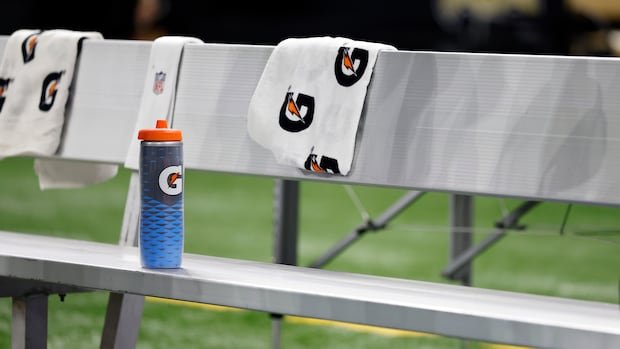

Gatorade, the pioneer of sports drinks six decades ago, is now shifting its focus to a broader audience beyond just athletes. Parent company PepsiCo announced intentions to target non-athletes seeking hydration solutions for various everyday activities like travel, leisure walks, or post-celebration recovery. The updated packaging emphasizes the functionality and research backing Gatorade’s range of beverages and powders.
This strategic shift aligns with the growing interest among U.S. consumers in beverages offering perceived health benefits. A significant portion of sports drink buyers, about 60%, are non-athletes attracted to the functional ingredients such as electrolytes for hydration and carbohydrates for energy, as per insights from food and drink analyst Jack Doggett at Mintel.
The surge in sales of sports drink mixes, including brands like Liquid I.V. and Skratch Labs, by nearly 20% in the past year indicates a shift towards wellness-oriented hydration options. In contrast, bottled water sales remained stagnant during the same period.
The competitive landscape is evolving rapidly with the entry of 150 new sports and hydration brands, creating challenges for established players like Gatorade. To maintain credibility and market share, Gatorade is focusing on highlighting the scientific basis and effectiveness of its products compared to water. For instance, the upcoming Gatorade Longer Lasting drink is designed to provide extended hydration through a blend of glycerin and electrolytes.
Similar to Gatorade, rival brands like Powerade and Liquid I.V. are also adapting to cater to non-athlete consumers by diversifying their product offerings and emphasizing health and wellness benefits. Industry experts emphasize the importance for beverage companies to clearly communicate the unique value propositions of their products in a crowded market where consumers are increasingly health-conscious and seeking personalized wellness solutions.
Gatorade’s journey traces back to its inception in 1965 when Dr. Robert Cade developed the drink to address electrolyte loss in football players. Over the years, Gatorade has evolved to meet the evolving needs of athletes while also catering to a broader consumer base. The introduction of lower-sugar variants and the removal of artificial colors have contributed to attracting a wider audience to the brand.
Moving forward, Gatorade aims to balance its offerings to meet the hydration needs of both athletes and non-athletes. While athletes may benefit from high-carb and high-sugar options for energy replenishment, the brand’s lower-sugar alternatives are gaining popularity among health-conscious consumers. The brand’s evolution reflects a broader trend in the beverage industry towards offering functional and healthy hydration solutions tailored to diverse consumer preferences and lifestyles.