


The Hamilton-Burlington SPCA (HBSPCA) is set to establish an innovative animal welfare campus, claimed to be the first of its kind in Canada.
In light of a projected 50 percent rise in pet surrenders due to the cost of living over the next five years, the organization aims to create a comprehensive center for pet care in the area, according to Brad Grabell, the director of strategy at HBSPCA.
Grabell emphasized that the envisioned campus will focus on identifying “every possible interjectible moment in the pet’s life” to assist families in retaining their pets, thus preventing them from needing to surrender them to the SPCA.
The new facility, located on the existing property at 245 Dartnall Rd., will be more than four times larger than the current structure. It will enhance all existing services and introduce new offerings, including a walk-in veterinary clinic.

The Hamilton/Burlington SPCA is constructing an Animal Welfare Hub that will feature a walk-in clinic and broaden educational initiatives for new veterinarians.
The campus will feature a non-profit veterinary clinic, a walk-in clinic, expanded animal housing, surgical rooms, community areas, and more.
Recently, the HBSPCA organized an event to announce the initiative and seek investors.
According to HBSPCA spokesperson Karissa Kugler, the project has already garnered up to $25 million in institutional financing, along with additional commitments of several millions raised during the event.
Spaying and neutering essential for managing pet population
Rosie Henein, the founder and director of Hammer City Paws Rescue, noted a significant rise in the number of dogs needing assistance in recent years compared to the period prior to the COVID-19 pandemic.
During that time, rescues were in “such an amazing place” with very few dogs in their shelters, prompting even larger organizations to bring in strays from the United States and other countries, she recounted.
However, currently, an increasing number of individuals are surrendering their pets as a result of the “cost-of-living crisis,” which has escalated expenses related to pet food, veterinary care, surgeries, and treatments, according to Grabell from HBSPCA.
He indicated that the new facility will facilitate pet retention by providing more affordable walk-in clinics for spaying and neutering, which are vital for controlling pet populations.
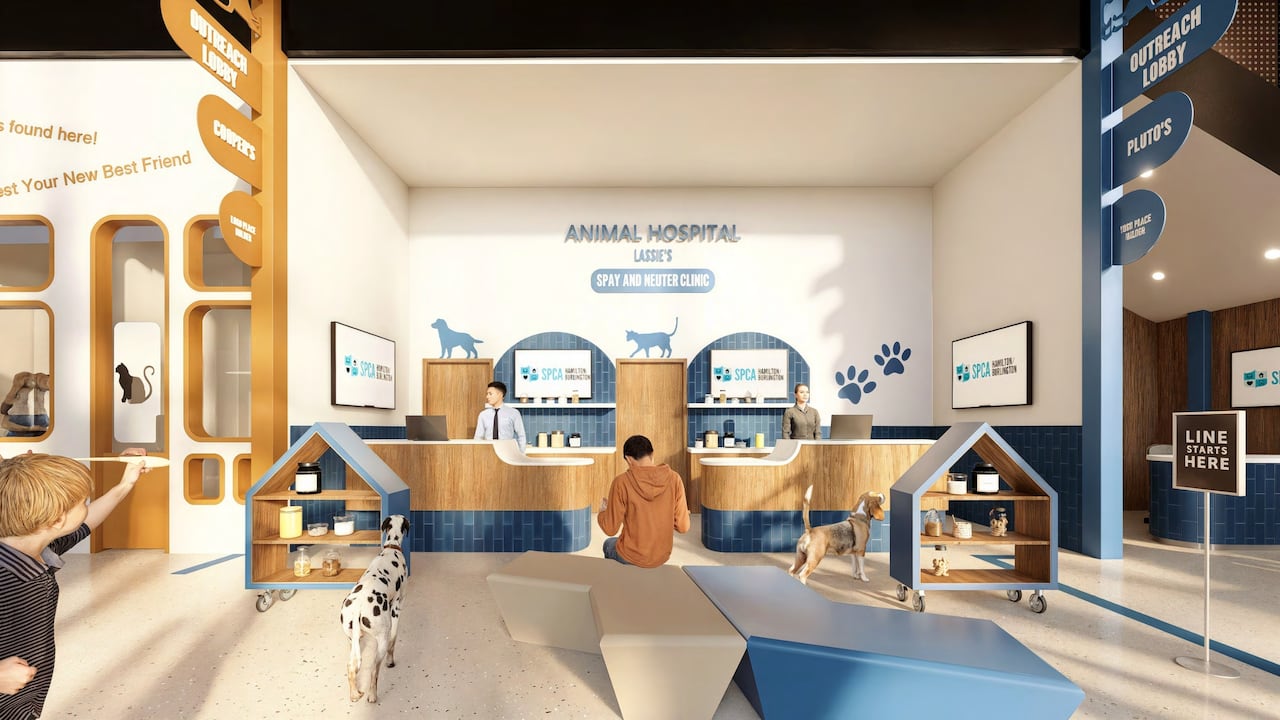
A rendering of an animal clinic at the HBSPCA’s future Animal Welfare Campus. (Hamilton/Burlington SPCA)
HBSPCA currently provides spay and neuter clinics for both cats and dogs, and Henein expressed the need to reduce wait times for these services to enhance accessibility.
“Increased access to these programs is necessary, and there should be fewer restrictions for people wanting to have their pets spayed or neutered. That’s essential for addressing this issue,” she remarked.
Henein’s rescue focuses on canine assistance and she receives numerous emails daily from individuals looking to surrender their dogs.
She believes part of the solution lies in educating pet owners to make better-informed decisions about pet adoption.
“Owning a dog is a commitment,” she stated. “A dog should not be seen as a status symbol or a fashion accessory. We need to return to responsible pet ownership.”
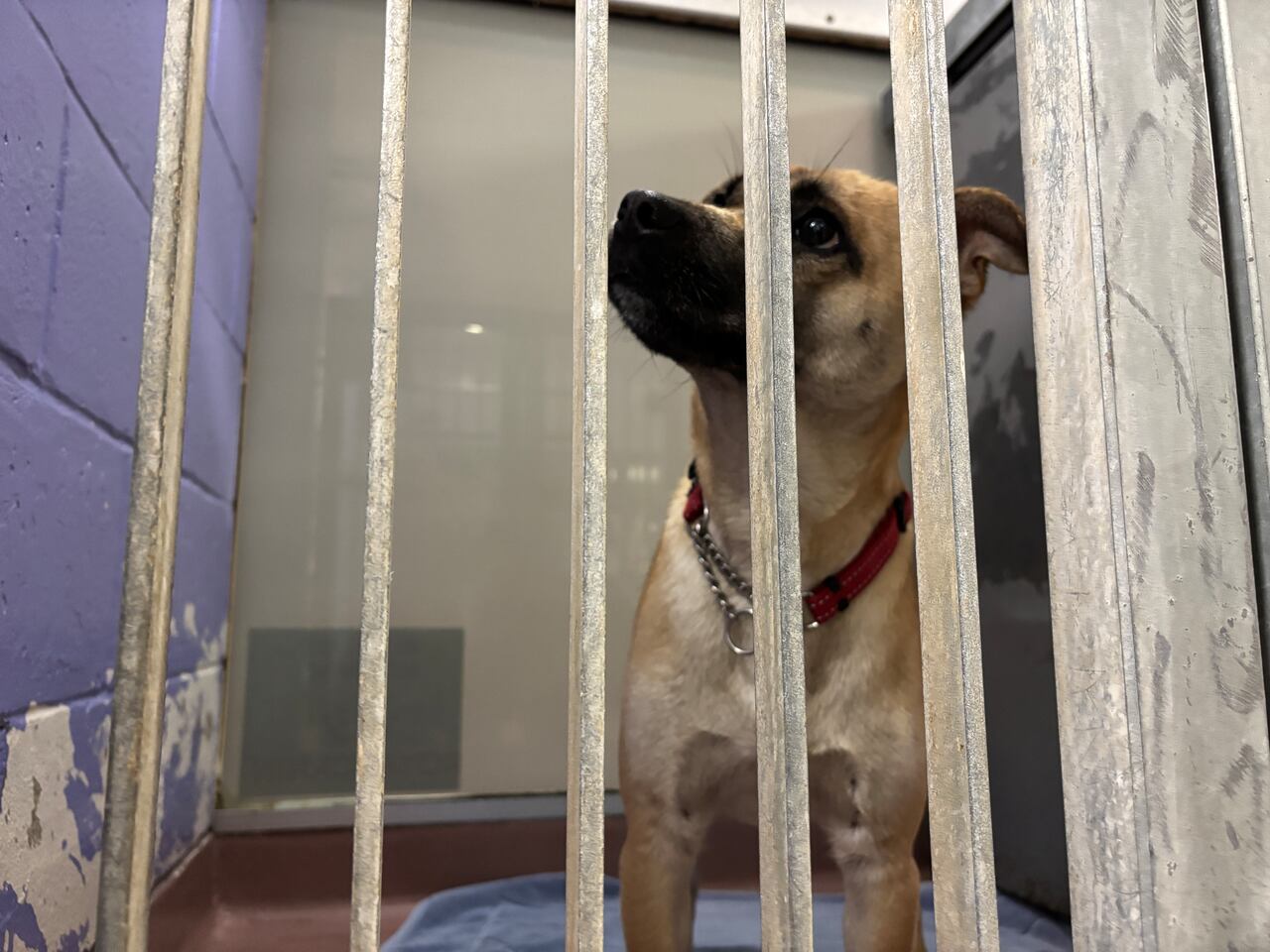
The upcoming Hamilton-Burlington SPCA structure will provide three to four times the space for animal sheltering. (Aura Carreño Rosas/CBC)
Animal welfare campus expected to launch in 2028
The HBSPCA’s animal welfare campus aims to enhance educational initiatives by broadening its community education and volunteer programs.
Grabell mentioned that the care provided at the campus will adopt a price-sensitive income model to accommodate everyone, irrespective of their financial situation.
The new hub will also function as a training center for future veterinarians, expanding their current educational offerings.
“In their first year, students might be introduced to the animal shelter environment to learn about sanitation and herd health management while caring for numerous animals simultaneously,” he explained.
“By the time they reach their fourth year, they will also have the opportunity to assist our veterinarians in the surgical area.”
Grabell expressed that most veterinarians do not envision working in a shelter, and with a forecasted 20 percent decline in access to affordable veterinary care, it’s crucial for non-profit organizations to incorporate a training component.
He stated that the facility is slated to open in 2028, with construction set to commence next year.