
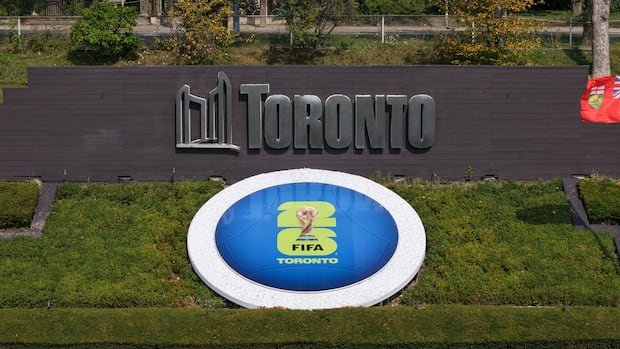

As Toronto and Vancouver prepare to co-host FIFA World Cup matches this summer, a concern arises among emergency medical professionals regarding the capacity of Canada’s healthcare system to handle potential increased demand. Dr. Catherine Varner, an emergency doctor and deputy editor at the Canadian Medical Association Journal (CMAJ), highlighted the existing strain on Canada’s healthcare system in an editorial. She expressed worries about the system’s ability to cope with additional pressure from the influx of hundreds of thousands of visitors during the event.
Research has shown that health issues such as infectious disease outbreaks, food-borne illnesses, and alcohol overconsumption can overwhelm emergency rooms during mass gatherings. An example is the introduction of measles strains during the 2010 Winter Olympics in Vancouver, leading to an outbreak of 82 cases post-event.
Dr. Varner’s concerns stem from her experiences during the Toronto Blue Jays’ World Series run, where hospital resources were already stretched thin. She questions the effectiveness of existing plans to handle a surge in patients within the current healthcare system’s limitations.
The upcoming FIFA World Cup games in Canada, co-hosted with the United States and Mexico, are expected to draw crowds that may facilitate the spread of infectious diseases like measles and COVID-19. Public Health Ontario’s risk assessment identified these diseases, along with food and water-borne outbreaks, as potential risks during the event.
Dr. Brian Conway, the medical director of the Vancouver Infectious Diseases Centre, emphasized the contagious nature of measles and the strain it could place on healthcare and public health systems. He urged individuals to ensure they are up to date with vaccinations to prevent potential outbreaks.
Concerns also extend to sexually transmitted infections (STIs), with rising rates in Canada. Dr. Conway stressed the importance of easy access to condoms and STI treatment during the World Cup games to mitigate risks.
Health officials involved in planning for the FIFA games in Vancouver expressed confidence in the healthcare system’s ability to respond to public health emergencies. They highlighted the established mechanisms to handle surges in demand, despite operating near capacity.
Hospitals, including St. Michael’s Hospital, have robust plans in place to manage a large influx of patients during the World Cup. Dr. Andrew Beckett, a trauma surgeon, outlined strategies such as surging hospital capacity, triaging patients based on needs, and reallocating staff to address emergencies.
Toronto Public Health has implemented various measures to prepare for health emergencies during the event, including monitoring food safety inspections and launching a wastewater testing program to detect potential infections early.
Overall, while concerns exist about the strain on Canada’s healthcare system during the FIFA World Cup, healthcare professionals and officials are working diligently to ensure preparedness and effective responses to any health-related challenges that may arise.