
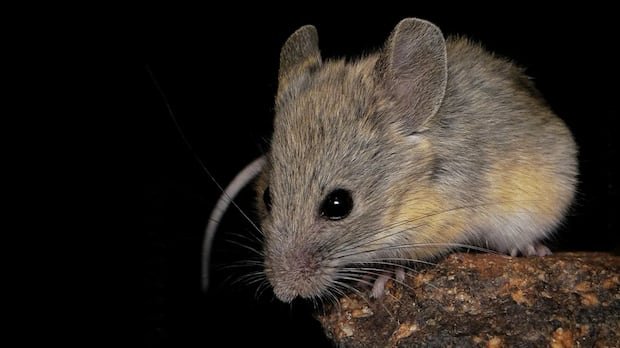

On top of a 6,739-meter Andean volcano, amidst freezing temperatures and low oxygen levels, a small leaf-eared mouse thrives by consuming toxic plants. A recent study published in the journal Science, involving researchers from McMaster University, revealed the remarkable adaptations of these high-altitude Andean mice. The species, known as Phyllotis vaccarum, has been found at the summit of Volcán Llullaillaco on the Chile-Argentina border, where oxygen levels are significantly lower than at sea level.
The researchers discovered that these mice can efficiently generate heat in low-oxygen environments and have evolved to process harmful compounds found in their limited food sources. The mice exhibit the widest elevation range among mammals, living from sea level to heights exceeding 6,700 meters in the Andes.
Through genome comparisons and laboratory tests on mice from different elevations, the researchers observed that highland mice have a superior ability to produce heat under low-oxygen conditions compared to their lowland counterparts. This advantage is crucial for their survival in the harsh high-altitude environment.
The study also highlighted the mice’s unique muscle metabolism adaptations for shivering in cold temperatures. Highland mice showed increased mitochondrial capacity to convert oxygen and nutrients into energy, particularly from lipid fuels, which provide long-lasting energy for shivering.
Furthermore, genetic analysis revealed that these mice have developed mechanisms to detoxify harmful compounds present in the scarce vegetation available in their habitat. This ability to adapt to a tough diet underscores the resilience and evolutionary prowess of these high-altitude inhabitants.
The findings emphasize the extraordinary resilience and adaptability of life forms in extreme environments, challenging previous assumptions about where organisms can thrive. The researchers concluded that evolution continues to surprise biologists with the diverse strategies life forms employ to survive and thrive in seemingly inhospitable conditions.