
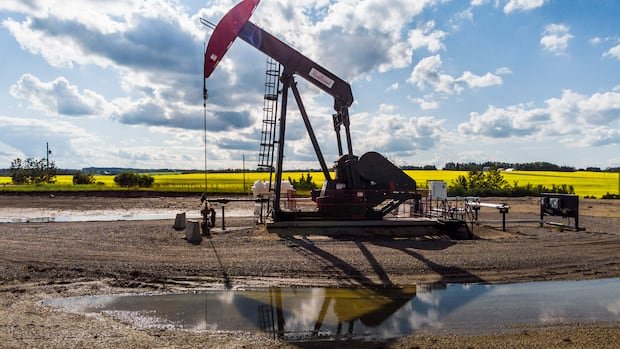

Global oil and gas demand is anticipated to continue growing until 2050, according to the International Energy Agency (IEA). This projection diverges from earlier expectations of a swift shift to cleaner energy sources, following criticism from the U.S. regarding the IEA’s climate-related focus.
The IEA’s annual outlook indicates that the world is unlikely to achieve its objective of limiting the temperature increase to around 1.5 degrees Celsius above pre-industrial levels to mitigate the severe impacts of climate change. The agency has faced pressure from the U.S. to emphasize clean energy policies, contrasting with the stance during the Trump administration, which advocated for increased oil and gas production.
In its latest World Energy Outlook, the IEA forecasts a scenario where global oil demand could reach 113 million barrels per day by mid-century, representing a 13% rise from 2024 levels. Furthermore, global energy demand is expected to surge by 90 exajoules by 2035, marking a 15% increase from current consumption rates.
Trump’s Energy Secretary has criticized the IEA’s demand peak projections as “nonsensical.” The IEA’s scenarios explore a range of potential outcomes based on existing government policies, emphasizing that they are not definitive forecasts. The report underscores significant progress in renewable energy and energy efficiency globally, although the transition away from fossil fuels remains insufficient to meet climate goals.
The IEA’s outlook also highlights a substantial increase in liquefied natural gas (LNG) capacity, with investments in new LNG projects rising sharply in 2025. The global LNG market is projected to expand from 560 billion cubic meters in 2024 to 1,020 billion cubic meters by 2050, driven by escalating demand from the power sector, particularly due to data center and artificial intelligence growth.
The report emphasizes the need for a rapid phase-out of fossil fuels alongside the growth of renewables to achieve climate objectives. While some experts suggest that the IEA may be underestimating the pace of renewable energy development, particularly in developing nations, others argue that declining prices are facilitating wider access to cleaner energy technologies.
The IEA’s report also anticipates a significant rise in global investment in data centers, potentially surpassing annual expenditures on oil supply. Despite global efforts to keep temperature increases below 1.5 degrees Celsius, all scenarios in the report indicate a warming planet exceeding that threshold, underscoring the challenges ahead in addressing climate change.