
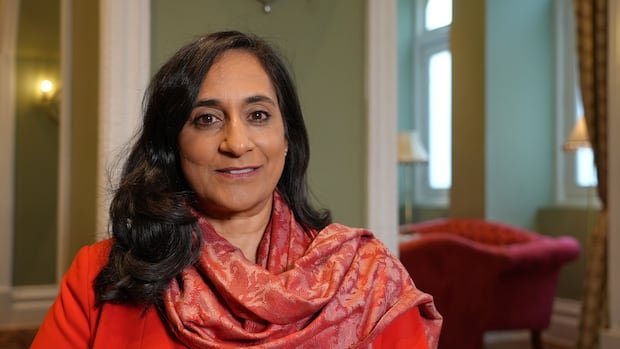

India and Canada have tentatively outlined a plan to mend their strained relationship following a prolonged diplomatic dispute over the killing of a Sikh activist in Canada. Canadian Foreign Minister Anita Anand described her recent two-day visit to New Delhi and Mumbai as successful, emphasizing the intention to enhance bilateral ties. The countries aim to move past the discord that peaked in September-October 2023 when accusations were exchanged regarding the activist’s death.
The breakdown in relations occurred after former Canadian Prime Minister Justin Trudeau implicated Indian government agents in the activist’s killing outside a Sikh temple in Surrey, B.C. India refuted the allegations, leading to escalating tensions that culminated in the expulsion of each country’s top diplomats a year later.
Canada continues to investigate alleged transnational repression targeting the Sikh community, with four Indian nationals facing charges related to the activist’s homicide.
While tensions persist, a pragmatic approach is evident in rebuilding the relationship as both countries seek to mitigate the impact of U.S. tariffs by diversifying trade partnerships.
Mark Carney’s election as Canada’s prime minister earlier this year has contributed to a slight improvement in relations. Carney’s invitation to Indian Prime Minister Narendra Modi to the G7 Summit in Kananaskis, Alta., last June signaled a thaw in ties. Both nations have appointed new high commissioners, with India agreeing to reinstate the same number of Canadian diplomats previously stationed in the country.
Positive Developments
Anand’s inaugural visit to India as foreign minister commenced with a meeting with Modi and concluded with discussions with business leaders in Mumbai. Indian External Affairs Minister Subrahmanyam Jaishankar highlighted Modi’s emphasis on cooperation with Canada and expressed a desire to foster a constructive relationship, noting progress in recent months.
The joint statement released after the meeting reflects a positive tone, emphasizing momentum renewal, trust rebuilding, and cooperation deepening. Collaboration in agriculture, critical minerals, and AI technology underscores the countries’ economic focus, with trade being a central theme in their discussions. This statement marks the first high-level joint agreement between the two nations in seven years.
Remaining Challenges
The statement, however, lacks specific mention of transnational repression, with a vague reference to respecting mutual concerns. Anand reiterated Canada’s public safety concerns during her meetings with Indian officials, highlighting the careful wording of the statement. Recent actions by Ottawa, such as designating the Bishnoi gang as a terrorist entity, have further strained relations.
Former Indian high commissioner to Canada, Sanjay Kumar Verma, views the recent diplomatic engagements as a deliberate effort to rebuild ties with a more measured approach than past confrontational rhetoric. The focus on managing differences and structured engagement signals a shift from previous communication strategies.
Despite some dissatisfaction from groups like Sikhs For Justice, who criticized Anand’s prioritization of trade over safety and sovereignty, others, including Canadian business leaders, see the renewed dialogue positively. The Business Council of Canada’s president, Goldy Hyder, emphasized the importance of seizing trade and investment opportunities with India as part of Canada’s diversification strategy.