
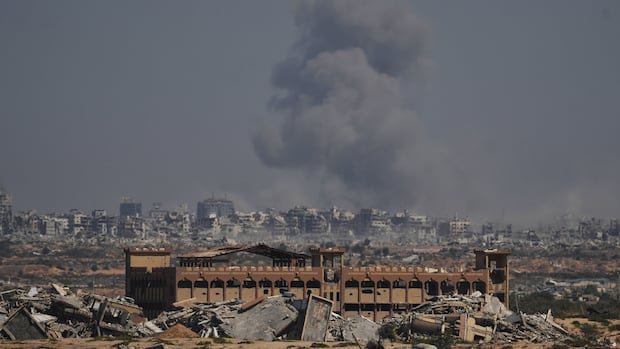

Israel and Hamas have agreed to the initial phase of the Gaza peace deal proposed by the United States, leading to the release of all Israeli hostages, announced on Wednesday by U.S. President Donald Trump. This agreement marks a significant step towards ending a long-standing conflict that has entangled regional players like Iran, Yemen, and Lebanon, reshaping dynamics in the Middle East. Israeli Prime Minister Benjamin Netanyahu expressed optimism, stating that the government would convene to endorse the ceasefire agreement, aiming to bring all hostages back home. A White House official revealed that upon approval, Israeli forces would withdraw to the designated boundary within 24 hours, while Hamas has 72 hours to release the hostages, expected to commence on Monday.
Hamas has urged Trump and other guarantor states to ensure Israel’s full compliance with the ceasefire terms. The involvement of Qatar, Egypt, and Turkey has been acknowledged, with the militant group praising Trump’s efforts to bring about a complete end to the conflict and the withdrawal of occupation forces from Gaza. Netanyahu and Trump engaged in a phone conversation following the deal’s announcement, with the Israeli leader inviting Trump to address the Knesset. The potential success of this deal would signify a significant foreign policy milestone for Trump, who had pledged to resolve conflicts in Gaza and Ukraine promptly upon taking office.
Efforts to halt the war have seen progress, with lists of hostages and prisoners exchanged between Hamas and Israel, signaling a positive development in negotiations. However, key challenges remain, particularly regarding Hamas’s disarmament and the establishment of a Palestinian state, crucial demands from both parties. As the deal unfolds, attention is focused on the potential for lasting peace, as previous ceasefire attempts have encountered setbacks. The international community, including the United Nations and humanitarian organizations, has welcomed the agreement, emphasizing the importance of full compliance and increased relief efforts in Gaza.
Despite past failures, there is cautious optimism that this agreement could pave the way for a sustainable resolution to the conflict, offering hope for the war-weary population in Gaza. The complex dynamics and historical grievances in the region continue to pose challenges, underscoring the delicate nature of the peace process.