

Israel announced on Thursday its readiness for the potential reopening of Gaza’s Rafah crossing with Egypt to facilitate the movement of Palestinians, although no specific timeline has been set amidst ongoing tensions with Hamas following breaches of the U.S.-brokered ceasefire.
A key issue involving the repatriation of hostages’ bodies held by Hamas in Gaza remains a sticking point that could jeopardize the ceasefire, along with unresolved matters such as the disarmament of militants and the future governance of Gaza.
Israeli government spokesperson Shosh Bedrosian reiterated on Thursday the country’s commitment to the ceasefire agreement and fulfillment of its responsibilities, urging Hamas to return the bodies of the remaining 19 hostages. Hamas has returned 10 bodies, citing difficulties in recovering the others, but Israel disputes the identity of one of the returned bodies.
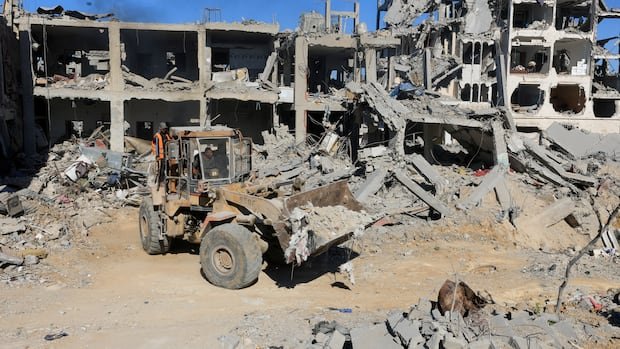
Hamas’s military arm stated that the transfer of more bodies within the war-torn Gaza would necessitate the entry of heavy machinery and excavation equipment, which are currently restricted by the Israeli blockade.
Accusations flew on Thursday as a senior Hamas official accused Israel of violating the ceasefire by allegedly killing 24 individuals in recent shootings. The Israeli military has previously defended its actions, stating that they responded to threats near ceasefire positions.
In a separate incident, local health authorities reported that an Israeli airstrike in Khan Younis resulted in the deaths of two individuals, with the Israeli military justifying the action as a response to a perceived immediate threat.
The next phase of the peace plan, orchestrated by the Trump administration, demands that Hamas disarms and relinquishes power. However, Hamas has resisted these calls and instead intensified security measures in vacated areas previously occupied by Israeli forces.
Against this backdrop, tensions heightened as Trump warned on social media that continued violence by Hamas in Gaza would prompt a forceful response.
A recent exchange saw 20 living hostages released in return for numerous Palestinian detainees held in Israel. Additionally, Israel released 30 bodies of Palestinians killed during the conflict, bringing the total to 120 bodies returned since the swap.
The broader aspects of Trump’s plan, including the establishment of an international stabilization force and efforts towards a Palestinian state, face significant challenges and remain unresolved.
Meanwhile, Palestinian Prime Minister Mohammad Mustafa emphasized the Palestinian Authority’s commitment to addressing Gaza’s security, logistical, financial, and governance issues in collaboration with international partners.
Efforts are underway to coordinate with Egypt to determine a timeline for reopening the Rafah crossing for passenger movement, while humanitarian aid destined for Gaza will continue to pass through Israeli-controlled Kerem Shalom after security checks.
In light of the dire humanitarian situation in Gaza, the UN has stressed the urgent need for increased aid deliveries to alleviate the crisis, with thousands of aid vehicles required weekly to meet the population’s pressing needs.
The influx of aid into Gaza has been described as insufficient by local officials, emphasizing the critical need for sustained support to address the region’s extensive requirements for essential supplies, fuel, and medical assistance.