
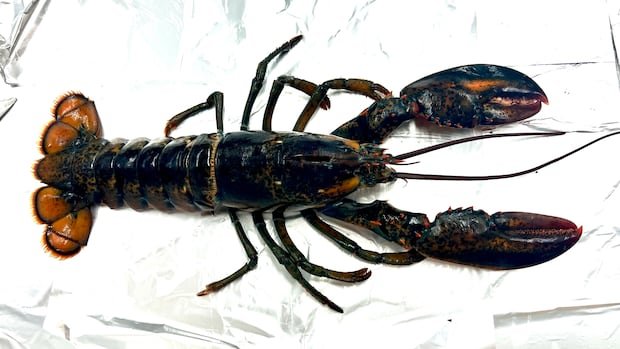

A recent research study conducted by Dalhousie University revealed the presence of microplastics in lobsters caught off the coast of Nova Scotia. The study, led by Amber LeBlanc from Dalhousie’s School for Resource and Environmental Studies, involved the examination of 16 lobsters collected from four different regions in 2022. Through the use of a specialized dye that illuminates microplastics under a microscope, the researchers discovered an average of six to seven microplastic particles per gram of lobster meat.
The study, published in the journal Regional Studies in Marine Science, highlighted the prevalence of microplastics in the edible portions of lobster tails. The microscopic size of the plastics, measuring 3.65 micrometres, raised concerns due to their potential diverse sources. The analysis identified various types of plastic, including polyethylene vinyl acetate, polyester, and polysulfone, commonly found in packaging, textiles, and industrial applications.
Although microplastics were found in all samples, lobsters from southwest Nova Scotia exhibited the highest concentration. However, given the small sample size, the researchers emphasized the need for further investigations to ascertain any geographic trends. Tony Walker, a co-author of the study, described the level of microplastics in lobster meat as relatively low compared to other food sources.
The potential health implications of consuming lobsters contaminated with microplastics remain uncertain. Karl Jobst, an associate professor at Memorial University specializing in microplastics’ impact on health, emphasized the need for more research to understand the risks associated with microplastic exposure. While studies have shown the presence of microplastics in human and wildlife samples, conclusive evidence of adverse effects is still lacking.
In response to the study, representatives from Nova Scotia’s seafood industry expressed reservations, citing the widespread occurrence of microplastics in various food sources. Stewart Lamont, managing director of Tangier Lobster Company, emphasized the need for a comprehensive analysis of microplastic levels in different foods to address the broader societal issue. Kris Vascotto, executive director of the Nova Scotia Seafood Alliance, reassured consumers of lobster’s nutritional value and sustainability, urging caution in interpreting the study’s findings.
The researchers stressed the importance of further research to evaluate the impact of microplastics on lobsters and human consumers. Despite the concerns raised by the study, the seafood industry advocates for continued consumption of lobster, highlighting its nutritional benefits and sustainable sourcing practices.