
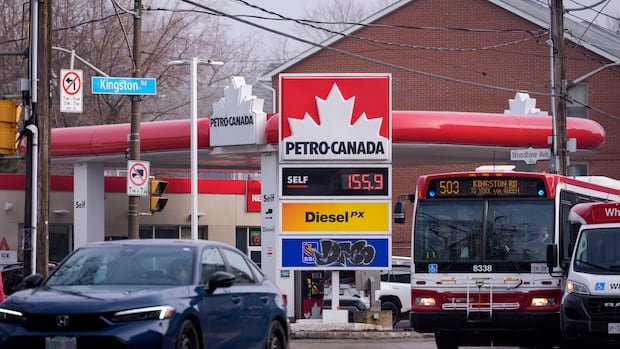

Fuel prices surged in Canada this week due to the escalating tensions in the Middle East. The average retail price reached 150 cents per litre by Friday evening, marking a sharp increase from the 133.4 cents per litre a week earlier, as reported by GasBuddy.com. British Columbia recorded the highest prices at 168.6 cents per litre.
The spike in prices followed the recent hostilities between Israel, the United States, and Iran. The conflict triggered retaliatory strikes, resulting in casualties, evacuations, and a humanitarian crisis. The disruption of oil tanker traffic in the critical Strait of Hormuz, a key passage for global oil shipments, added to the market volatility.
In the U.S., benchmark crude oil prices surged to a two-year peak, surpassing $90 US per barrel for the first time since October 2023, reflecting the prolonged uncertainty of the conflict.
Gasbuddy petroleum analyst Matt McClain assured that there are no immediate supply disruptions for Canada or the U.S. due to their sufficient oil production. However, he cautioned that consumers might face inconvenience or potentially higher costs depending on the conflict’s outcome.
Drivers expressed concerns over the rising prices, with many feeling the economic strain at the pump. Amy Gooding from the Greater Toronto Area mentioned the impact on her budget, emphasizing the necessity of gas despite the financial burden.
In Saint John, N.B., Bailey Jones echoed similar sentiments, acknowledging the inevitability of price hikes and the ongoing necessity of fuel. She anticipated further increases in the near future.
Expectations for Prolonged High Prices
Energy expert Warren Mabee from Queen’s University predicted that elevated prices could persist even after the conflict resolves, citing historical trends of price disruptions outlasting the conflicts. The extent of the price surge remains uncertain, with potential for sustained elevated levels.
Mabee downplayed concerns of a severe price shock akin to the 1970s oil crises but projected a moderate increase of around five to ten percent compared to pre-conflict levels.