

After a recent change in leadership in Newfoundland and Labrador, uncertainties have arisen regarding the significant hydroelectric agreement with Quebec. The proposed Churchill Falls MOU aims to replace the outdated 1969 contract, which has long been criticized for favoring Quebec over Newfoundland and Labrador. The MOU, inked last December, outlines various new hydroelectric projects, including the anticipated Gull Island initiative slated for completion by 2035.
Newfoundland and Labrador Hydro and Hydro-Québec had plans to construct a second plant at Churchill Falls and enhance production at the existing Churchill Falls complex. Following the victory of Tony Wakeham and the Progressive Conservative party, ending a decade of Liberal governance, questions have emerged about the future of the hydroelectric pact.
Wakeham, the premier-designate, has vowed not to advance any agreements concerning the Churchill River without the approval of voters in a referendum. In his victory speech, Wakeham emphasized a commitment to developing Churchill Falls and Gull Island, electrifying Labrador, and utilizing local resources for community benefits. He asserted that his administration would prioritize public interest over previous rubber-stamp practices in resource decisions.
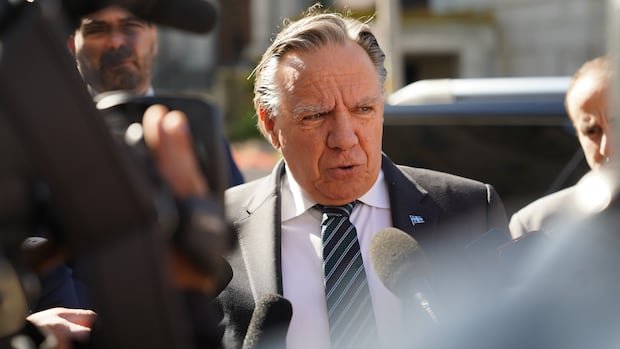
Wakeham also pledged to conduct an impartial review of the deal and make its findings transparent to the public. He affirmed that if necessary, the agreement would be subject to amendments or renegotiation. Quebec Premier François Legault expressed support for the deal, emphasizing its mutual benefits for both provinces. Hydro-Québec echoed this sentiment, stating their confidence in the fairness and advantages of the current agreement.
The MOU is projected to generate over $200 billion for both provinces over the next five decades. Legault is in the final year of his second term as Quebec’s premier, with the province’s next election scheduled for October 5, 2026.