
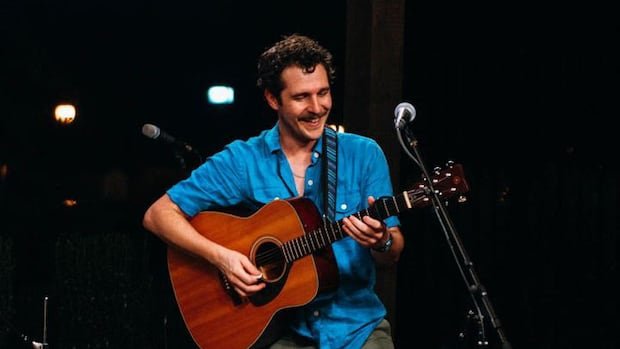

Songwriter and musician Joseph Terrell, hailing from North Carolina, found inspiration to pen down lyrics when the U.S. and Israel conducted strikes on Iran recently. The resultant song, “Cowboy Movie,” delves into the notion of American exceptionalism and sheds light on the realization that the country may not always be the protagonist in global affairs. Terrell clarifies that his song does not target any specific political figure, as he believes numerous individuals align with the narrative.
Addressing significant events like the tragic bombing of a girls’ school in Iran, allegedly linked to the U.S. based on initial investigations, Terrell shared a snippet of his politically charged song on TikTok, a platform where many contemporary artists are resurrecting the tradition of folk protest music for a modern audience. This revival of the genre, as highlighted by music theory expert Noriko Manabe, is gaining momentum, possibly influenced by the simplicity of folk music in the digital age and the resurgence of country music.
Contrary to the past, modern protest songs are swift to respond to current events with detailed references to politicians and administrations, often gaining traction on social media platforms. Singer-songwriter Jesse Welles is a prominent figure in this movement, using his music to address pressing issues like the war in Gaza, immigration enforcement, and governmental policies, garnering a significant online following and even making appearances on mainstream late-night shows.
The evolution of protest music, especially within the folk genre, has witnessed a shift towards more direct and specific messaging, a departure from the subtleties of earlier compositions. While the essence of protest music remains rooted in social causes, the contemporary wave predominantly thrives in the digital realm, prompting discussions on its sustainability and potential impact beyond online platforms.
As artists like Terrell and Klug continue to engage audiences with politically charged performances and initiatives, the essence of protest music persists in sparking conversations and advocating for tangible change. While music serves as a catalyst for awareness, these musicians acknowledge the need for concrete actions to complement their artistic expressions and contribute meaningfully to societal transformations.