
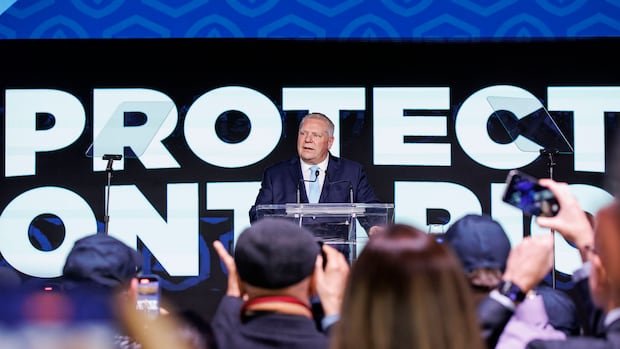

Ontario’s Progressive Conservatives significantly outspent their rivals in the recent provincial election, with a margin exceeding $6 million. However, one of their close competitors argues that the governing party held a significant advantage due to taxpayer-funded advertising well before the snap election.
The election expenditure data, reported over six months after the official campaign period, revealed that Premier Doug Ford’s PC Party allocated $15.3 million to their campaign. This amount surpassed the spending of the Ontario Liberals at $8.9 million, the Ontario New Democrats at $8.5 million, and the Green Party at $1.4 million.
Ford initiated the winter election seeking to address U.S. President Donald Trump’s tariff threats. The campaign was framed as a defense of Ontario’s interests. Advertising emerged as the largest campaign expense for all major political parties in Ontario during the election. The financial records indicated that the Tories led in advertising spending with $7.6 million, followed by the Liberals at nearly $6.6 million and the NDP at $5.4 million. The Green party’s advertising expenses totaled $750,000.
Ontario Liberal Party president Kathryn McGarry criticized the election filings, pointing out the advantage gained by Ford’s party through government-funded advertising preceding the official campaign period. She emphasized the disparity in resources and labeled it as an unfair boost to the PC Party’s re-election efforts.
Auditor General Shelley Spence’s report from December highlighted a significant increase in government ad spending by the Ford administration, which was deemed more partisan than informative. The report revealed a notable surge in government advertising expenditures compared to previous years, raising concerns about the use of public funds for partisan purposes.
Despite the financial advantage, political strategist Mitch Heimpel emphasized that successful election campaigns require more than just money. He highlighted the importance of messaging, political skills, and strategic communication efforts to resonate with voters. He also underscored the impact of targeted advertising on social media platforms in reaching and engaging voter coalitions.
The mandatory reporting of party spending post-election disclosed various campaign expenses, including the PC Party’s investment in branded merchandise and victory celebration events. The aftermath of the election saw challenges for both the Liberals and NDP, prompting internal evaluations and leadership considerations within the parties.
While financial resources play a crucial role in election competitiveness, political experts emphasized the significance of effective messaging, strategic planning, and organizational capacity in influencing voter outcomes. Despite financial disparities, parties continue to strategize and mobilize resources for future electoral campaigns.