
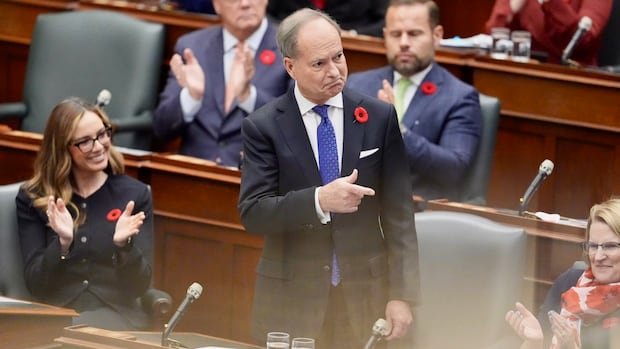

Ontario’s fall fiscal update reveals a reduced deficit projection and tempered labor market outlook due to ongoing impacts of U.S. tariffs. Initially estimated at $14.6 billion, the deficit is now anticipated to reach $13.5 billion by year-end. Finance Minister Peter Bethlenfalvy’s economic statement maintains the goal of balancing the budget by 2027-28, coinciding with a projected net debt exceeding half a trillion dollars.
The update emphasizes the need for prudent fiscal management to safeguard workers, businesses, and industries amidst economic uncertainties. While the update lacks major new investments, it highlights enhancements to a manufacturing investment tax credit and a $100 million injection into a fund supporting small- and medium-sized enterprises in market diversification efforts.
Regarding the $5 billion Protecting Ontario Account established to aid sectors affected by tariffs, $4 billion remains unallocated as the government prepares to distribute additional funds. Economic challenges, including trade conflicts and reduced immigration impact, have revised GDP growth forecasts to 0.8-0.9% for this year and the next, with an anticipated rise in the unemployment rate to 7.8%.
Opposition critics, including the Liberals and NDP, have criticized the statement for perceived shortcomings in job protection and housing initiatives. The NDP expressed disappointment over the lack of a comprehensive jobs plan and low housing construction targets. The province’s contingency fund has been bolstered to $4.5 billion, with ongoing considerations for pension and rideshare regulations adjustments.
Proposed legislative changes encompass a new pension option known as a variable life benefit, tied to investment performance and fund membership. Consultations on streamlining rideshare guidelines across Ontario are also in progress. Notable measures from the update include an HST rebate for select first-time homebuyers, increased home care funding, and modifications to election and climate laws.
The fall economic statement reflects Ontario’s evolving economic landscape, characterized by fiscal prudence and strategic adjustments to address prevailing challenges and uncertainties.