
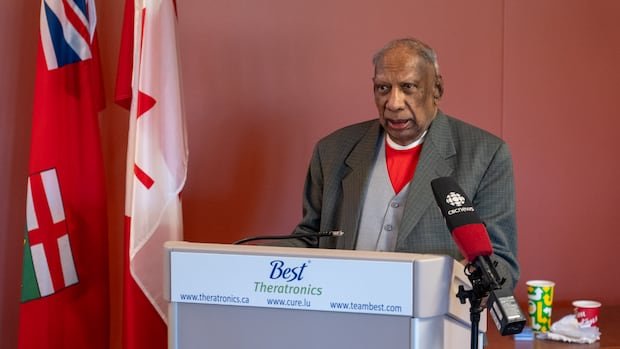

The owner of a medical manufacturing company in Ottawa admitted to financial constraints preventing compliance with Canada’s nuclear regulator’s directives. Best Theratronics faced orders from the Canadian Nuclear Safety Commission (CNSC) in November 2024 due to unresolved issues, including safety concerns at its closed plant and the requirement to secure a $1.8-million financial guarantee for potential decommissioning costs.
Krishnan Suthanthiran, the company owner, expressed an inability to meet the financial obligations, citing the unavailability of loans from banks. He criticized the CNSC’s imposition of what he deemed an excessively burdensome financial guarantee, considering it a violation of regulatory standards.
Despite ongoing non-compliance, the CNSC refrained from disclosing specific actions to enforce regulatory adherence, indicating an active review of the situation. The regulatory body possesses the authority to issue fines, orders, revoke licenses, and initiate legal proceedings against licensees like Best Theratronics.
Critics, including Green Party Leader Elizabeth May, condemned Suthanthiran’s defiance of the CNSC, alleging close ties between the regulator and the industry it oversees. May suggested that Best Theratronics should not retain its operating license due to the owner’s conduct.
Formerly part of Atomic Energy of Canada and later acquired by Suthanthiran in 2008, Best Theratronics struggled with workforce shortages following a labor dispute that led to a significant employee exodus. Suthanthiran hinted at discontinuing nuclear-licensed manufacturing in Canada, citing challenges in hiring skilled workers and the company’s diminished workforce.
Suthanthiran’s remarks indicated a shift in operational focus, potentially continuing some activities at the Kanata plant without nuclear licensing. The company’s history, which includes pioneering cobalt-based cancer therapy systems, contrasts with its current regulatory and operational predicaments.