

Ottawa faces a court-imposed deadline for submitting a revised plan to overhaul the child welfare system on reserves, while a coalition of First Nations leaders and child advocates readies their own proposal. The federal government must present its plan to the Canadian Human Rights Tribunal by December 22, following the rejection of the previous $47.8 billion reform offer by the Assembly of First Nations (AFN) last year.
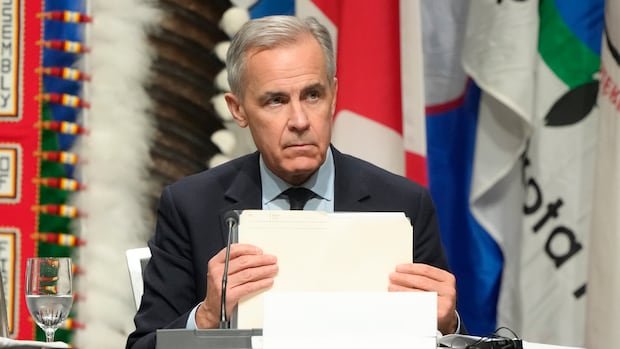
During a recent address at the AFN special chiefs assembly in Ottawa, Prime Minister Mark Carney emphasized that the government’s child welfare approach will prioritize First Nations and community leadership, bolstered by substantial additional funding. A First Nations-led group named the National Children’s Chiefs Commission has developed an alternative plan that will be contrasted with the government’s proposal.
Members of the commission, including First Nations leaders and child advocates, express skepticism towards Ottawa’s ability to eliminate discrimination within the on-reserve child welfare system. They advocate for the tribunal to consider their plan to ensure reforms align with their cultural values and preferences for their children.
The proposed reforms come a decade after a significant ruling by the tribunal that found Ottawa guilty of racially discriminating against First Nations children by underfunding Child and Family Services, as well as nearly two decades after a joint human rights complaint by the AFN and the First Nations Child and Family Caring Society in 2007.
The commission, led by Pauline Frost of the Vuntut Gwitchin First Nation, aims to secure approximately $50 billion in long-term funding with a focus on ensuring financial stability for over a decade. Cindy Blackstock, the executive director of the caring society, emphasizes the importance of not only the funding amount but also the assurance of stable funding and effective allocation for optimal outcomes.
Indigenous Services Minister Many Gull-Masty is working towards bridging the gap between the government and the commission, potentially exploring a hybrid plan to address the urgent needs within the child welfare system. While the exact funding amount pledged by Carney remains undisclosed, efforts are underway to facilitate collaboration and find common ground between the differing proposals.
The commission, mandated by the AFN’s chiefs-in-assembly, is gathering input from various AFN regions to develop its framework independently from the government. Despite a desire for collaboration, Frost of the commission indicates that merging strategies with the government’s plan is currently not feasible.