
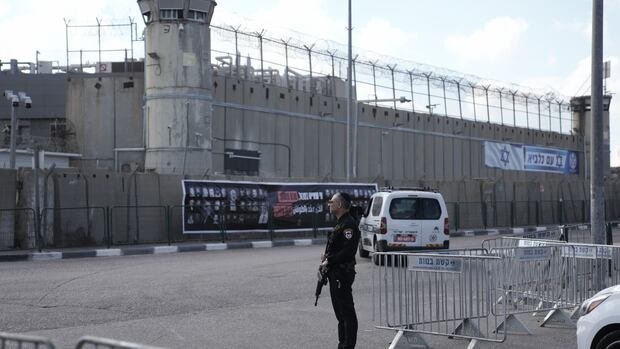

The death toll of Palestinians in Israeli custody has risen to nearly 100 individuals since the onset of the conflict in Gaza, as reported by a human rights organization on Monday. According to Physicians for Human Rights – Israel (PHRI), systematic violence and the lack of medical attention in prisons and detention facilities have led to many of the documented deaths.
The findings outlined in the report by PHRI align with investigations conducted by The Associated Press, which included interviews with multiple sources regarding prison mistreatment, medical negligence, and fatalities. PHRI’s report highlights that out of the 98 prisoner deaths recorded since the initial attack on Oct. 7, 2023, which triggered the conflict, 27 occurred in 2023, 50 in 2024, and 21 in the current year, with the latest reported on Nov. 2.
PHRI suggests that the actual death toll during this period is likely much higher, citing Israel’s lack of transparency regarding the hundreds of Palestinians detained during the conflict. Prior to the war, fewer than 30 Palestinians had died in Israeli custody over a decade. However, the prison population more than doubled to 11,000 individuals following the conflict, primarily from Gaza and the West Bank, with a disproportionate increase in prisoner fatalities, as indicated by PHRI data.
The report by PHRI was compiled through interviews with former detainees and prison medical personnel, examination of autopsy reports commissioned by the families of deceased prisoners, and verification of numerous deaths through freedom of information requests. Naji Abbas, a director at PHRI, criticized the high mortality rate in Israeli custody, stating that the system has disregarded ethical and professional standards.
Israel’s Prison Service asserted that its operations adhere to legal standards and declined to comment on the death toll, redirecting inquiries to the Israeli army. The army acknowledged the deaths of some detainees, attributing them to pre-existing medical conditions or combat-related injuries. Instances of abuse or substandard conditions are reportedly investigated, with individuals found in violation of the army’s conduct facing consequences, including potential criminal probes.
A former guard at the Sde Teiman military prison in southern Israel described the facility as a “graveyard” due to the significant number of prisoner deaths. The guard shared accounts of participating in physical abuse and highlighted instances of neglect within the prison. He recounted an incident during the conflict where a deceased Palestinian was left unattended in the yard, illustrating the callous environment in the prison.
PHRI documented 29 deaths at Sde Teiman since the conflict began, with instances of abuse leading to legal repercussions for some individuals involved. Despite convictions of misconduct, concerns persist among prisoner advocates regarding the lack of thorough investigations into alleged violence, perpetuating a cycle of abuse within Israeli prisons.
The prevalence of medical neglect and abuse in Israeli detention facilities has raised alarm, with reports indicating a pattern of physical violence and inadequate care. Autopsy reports revealed signs of assault and negligence in several cases, underscoring the dire conditions faced by prisoners. One such incident involved the death of Mohammad Husein Ali at the Kishon detention center, where signs of physical trauma were evident, possibly resulting in fatal injuries.
Husein Ali’s family attested to his good health before his arrest in the West Bank, emphasizing his swift deterioration while in custody. Despite previous legal issues, his family maintained that he had no militant affiliations at the time of his detention. The emotional toll of his death was palpable, with his wife recalling the heartbreaking impact on their young daughter.
The situation has prompted scrutiny and calls for accountability within the Israeli prison system, with recent developments leading to resignations and legal actions against individuals implicated in cases of mistreatment and misconduct. The ongoing investigations and public discourse reflect growing concerns over the treatment of Palestinian detainees in Israeli custody.