
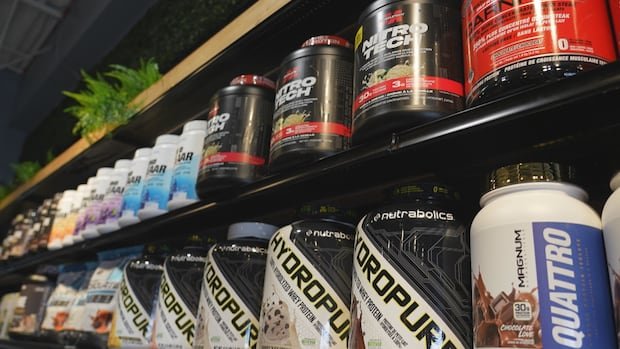

Jennifer Mason, a new mother facing increasing expenses, has been reevaluating her diet choices due to the escalating prices of whey protein powder, a supplement she has been using to increase her protein intake. She is now opting to search for protein sources in whole foods instead of relying on protein products.
The surge in demand for whey protein across various food products, from snacks to beverages, has led to shortages of the ingredient and a spike in prices. This trend is further exacerbated by the ongoing trade tensions between the United States and Canada, potentially resulting in higher costs being passed on to consumers.
With protein-rich items like chips, Pop-Tarts, and candy lining grocery store shelves, major brands are capitalizing on the health-conscious consumer trend by incorporating whey protein into their offerings. Fitness influencers are also promoting the concept of protein-maxxing, encouraging individuals to consume protein regularly. Additionally, the rise in the use of weight-loss medications like Ozempic has prompted some individuals to increase their protein intake to prevent muscle loss.
John Murray, the marketing manager at Daryl’s Bars, a protein snack manufacturer, highlights the challenges faced by smaller businesses in securing an adequate supply of whey protein as larger companies secure bulk orders. The escalating prices of whey protein concentrate, especially WPC80, have surged significantly, with buyers experiencing substantial cost increases.
The impact of the trade war between the U.S. and Canada is evident in the food industry as retaliatory tariffs have further inflated prices of American whey protein imports. Canadian businesses can seek relief through tariff-remission programs, though demonstrating the unavailability of domestic or non-U.S. alternatives is a requirement.
Mike von Massow, a food economist at the University of Guelph, explains the complexities involved in increasing whey protein supply, emphasizing the resource-intensive process of transforming liquid whey into a powder. Limited processing capabilities in Canada may prompt companies to explore alternative sources, such as New Zealand, despite higher shipping costs.
As prices continue to rise, consumers may face the prospect of increased costs throughout the supply chain, impacting popular protein products. Some individuals, like Audrey Marcoux, are willing to absorb the higher costs due to their fitness routines, while others, like Nathan Bugiardini, may consider cutting back if prices escalate further. Amidst the price hikes, some consumers are turning to plant-based alternatives and whole foods to navigate the current market challenges.