
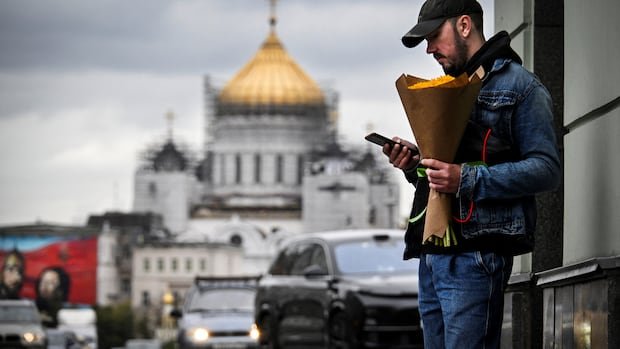

Boris Nadezhdin, an opposition figure in Russia, always carries two phones when traveling across multiple regions each month. One phone contains the official Max app, a new communication tool promoted by Russia, while the other phone is equipped with personal communication apps and a VPN to bypass internet restrictions. Nadezhdin highlighted the challenges faced by him and his peers with internet and mobile communication in Russia.
The Max app, developed by Russian media company VK, has been likened to China’s WeChat and is now pre-installed on all new phones sold in Russia. This push for the Max app aligns with Russia’s efforts to tighten control over its digital space by curbing foreign platforms. In 2019, Russia implemented the sovereign internet law, granting the government authority to regulate the internet within the country.
The law has led to the creation of RUnet, Russia’s version of the internet, with increased cyber restrictions and limited access to popular platforms like YouTube. Users have reported difficulties accessing messaging apps like WhatsApp and Telegram, prompting many to resort to VPNs for connectivity. However, the government has blocked over 250 VPN versions, making it challenging for users to circumvent digital barriers.
Critics argue that the government’s actions, including internet disruptions and restrictions, are justified under the guise of national security concerns. The recent crackdown on online content labeled as “extremist” has further raised concerns about surveillance and privacy. The government’s approach to internet control has faced scrutiny, with calls for transparency and respect for digital rights.
Despite the promotion of the Max app and restrictions on other platforms, some users remain wary of potential surveillance risks. VK claims that over 40 million users have downloaded Max, raising concerns about data collection and user privacy. Cyber experts caution that while Max does not currently engage in default surveillance, it possesses significant surveillance potential, urging users to exercise caution when using the app.
As Russia continues to navigate internet blackouts and disruptions, questions persist about the government’s true intentions behind these measures. Human Rights Watch and other organizations have highlighted the need for transparency and accountability in Russia’s approach to internet governance. The ongoing debate surrounding internet freedom and state control underscores the complexity of digital rights in the modern era.