
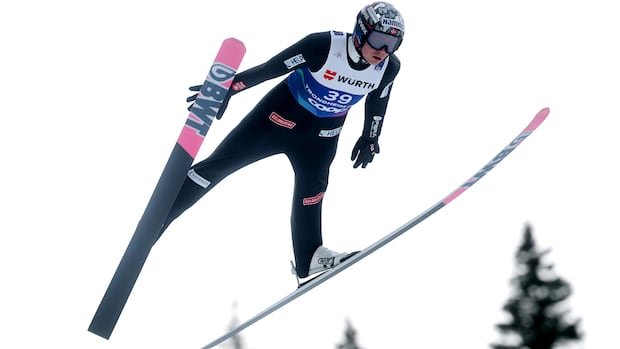

In ski jumping, the difference between winning an Olympic medal and facing disqualification can hinge on the size of the athlete’s suit. While a larger suit can enhance a ski jumper’s flight distance, it may breach regulations, particularly after the Norwegian team’s cheating scandal at last year’s world championships.
To uphold fair play, new measures were implemented by regulators ahead of the Milan Cortina Winter Games to prevent rule violations. The scandal involving the Norwegian team, which manipulated the crotch area of the uniforms of their top male jumpers, prompted stricter enforcement to ensure all competitors adhere to the same standards.
Ski jumping involves a blend of science and art, with meticulous testing of equipment and clothing to optimize aerodynamics. Research has shown that even a small increase in fabric circumference on the suit can significantly impact jump length, underscoring the importance of adhering to regulations.
Following the scandal, key figures within the Norwegian team were banned for tampering with suits to gain an advantage during competition. While the alterations went undetected initially, they were eventually exposed upon closer inspection post-event, tarnishing the team’s reputation and resulting in repercussions for the athletes involved.
In response to the cheating incident, the International Ski Federation (FIS) has revised its rules and introduced enhanced screening procedures overseen by a dedicated coordinator. These measures include stringent gear evaluations using advanced 3-D measurements, as well as the placement of tamper-proof microchips on suits to prevent unauthorized modifications.
Moreover, a disciplinary system akin to soccer has been implemented, with penalties for equipment violations, ensuring fair play and deterring future misconduct. The focus on maintaining integrity in ski jumping competitions has intensified, with increased scrutiny on teams and athletes to uphold ethical standards and respect the sport’s regulations.