
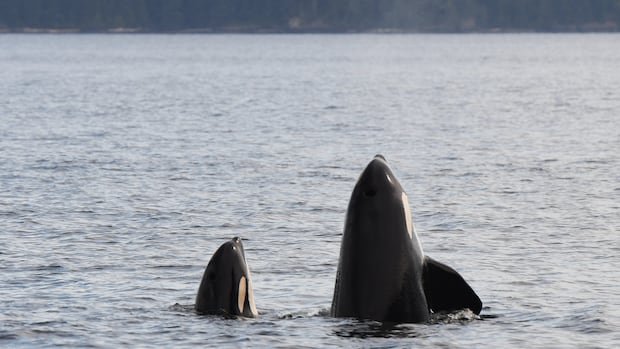

Orca mothers invest around one and a half years in pregnancy, up to two years in nursing, and continue to provide for their adult offspring throughout their lives without them leaving the pod.
Biologist Sharon Kay, author of a recent study in Scientific Reports, highlights the enduring commitment of orca mothers to their offspring, emphasizing the physical toll it takes. The research focused on northern resident killer whales and examined how quickly mothers regain body fat after pregnancy, a crucial factor linked to their survival.
Using drone photography to analyze the body conditions of adult females, the study revealed a significant decline in fat levels during nursing, lasting up to three years. The number of living offspring emerged as the most significant factor affecting body fat levels, indicating the long-term challenges faced by orca mothers in providing for their young.
Amy Rowley, a biologist with the Raincoast Conservation Foundation, emphasized the struggle some mothers face in returning to their pre-pregnancy condition. By measuring changes in the white patches above the eyes of the whales, researchers could assess their body condition accurately.
The study sheds light on the societal pressures these animals encounter, particularly in the face of human-induced challenges such as chemical contaminants, noise pollution, and climate change. These external stressors could exacerbate the decline in body fat among orcas, potentially leading to adverse consequences.
Experts underline the significance of understanding the impact of maternal investment on orcas, emphasizing the need to address multiple threats faced by these marine mammals. The study’s findings provide valuable insights into the complex dynamics of orca populations, highlighting the importance of conservation efforts to ensure their long-term survival.