
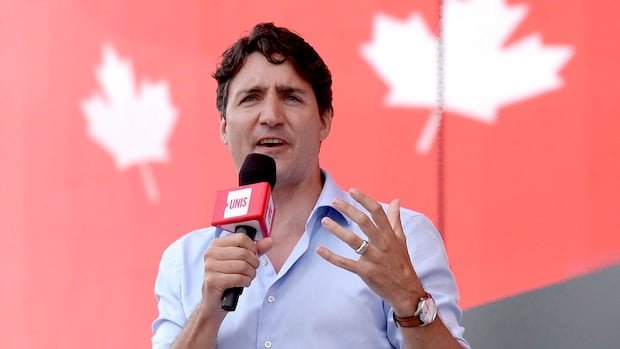

Canada’s highest court held final hearings on Thursday in a case revisiting the involvement of former Prime Minister Justin Trudeau in the WE Charity controversy. The outcome could lead to significant changes in how Canadians ensure accountability from their elected leaders.
The Supreme Court of Canada heard arguments and will release a written decision later. This came after Democracy Watch contested a 2021 ruling by the federal ethics commissioner clearing Trudeau of a conflict of interest related to the government awarding WE Charity a $43 million contract for a $912 million student grant program. The decision was based on connections Trudeau and then-Finance Minister Bill Morneau had with the organization.
While the ethics commissioner found Morneau breached the Conflict of Interest Act, he concluded that Trudeau did not. Democracy Watch co-founder Duff Conacher aims to challenge this decision in the Federal Court of Appeal to enhance the ethics commissioner’s accountability.
The case delves into the boundaries of political responsibility. Despite Trudeau no longer being in office, there is a push to review the decision for future ethical dilemmas. If successful, this move would not only prompt a review of the 2021 finding but also potentially open doors for challenging any watchdog rulings in court.
The case was escalated to the Supreme Court after the Federal Court of Appeal rejected Democracy Watch’s initial review request, emphasizing Parliament’s role in enforcing the Conflict of Interest Act. This marks the first time the accountability group is a primary party in a case at the top court.
Legal experts suggest that while increased accountability is crucial, it may come with added administrative burdens, costs, and delays in justice delivery. The proceedings saw arguments from various parties, including the Canadian Civil Liberties Association, Trial Lawyers Association of British Columbia, and Canadian Council for Refugees.
The court’s decision will have implications beyond the immediate case, potentially setting new standards for government ethics and accountability.