
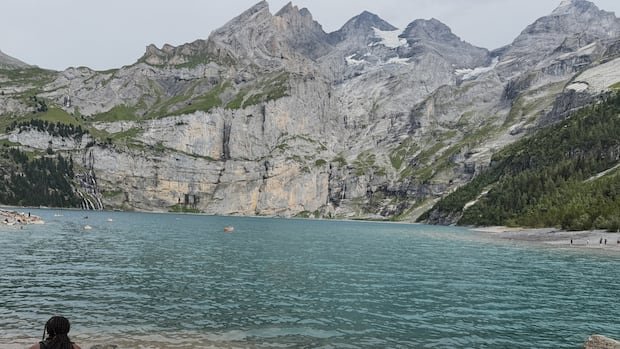

Glaciers in Switzerland, known for hosting the most glaciers in the Alps, have experienced a 5.5 percent reduction in ice volume this year. This significant decline is the second-largest drop on record and is attributed to heat waves and low snowfall during winter, according to experts. The GLAMOS Swiss glacier monitoring service and Swiss Academy of Sciences expressed concerns that under such conditions, Alpine glaciers have no viable long-term survival prospects.
The situation has deteriorated in recent years, with a nearly 20 percent decrease in Switzerland’s ice volume over the past five years alone. These findings highlight the ongoing impact of global warming on Europe, the continent experiencing the fastest rate of warming worldwide.
Matthias Huss, head of GLAMOS, emphasized the critical role of winter snowfall in glacier preservation. Snow acts as a protective layer, preventing ice from melting, and also contributes to the formation of new ice. The lack of snow cover exacerbates the melting process, as observed during the 2022 record retreat of glacier ice in Switzerland.
The effects of global warming extend beyond Switzerland, with instances of glacier destabilization seen in other regions like the Himalayas, Greenland, and Antarctica. The accelerated ice melt in Switzerland this year alone equated to the loss of 2.2 trillion liters of water, four times the country’s annual water consumption. Switzerland, a significant source of hydropower, plays a crucial role in supplying water to key European rivers such as the Danube, Po, Rhine, and Rhone.
Notably, the Allalin, Clarident, Rhone, and Aletsch glaciers, the largest in the Alps, experienced unprecedented melting this year. Despite the grim outlook for Swiss Alpine glaciers, Huss emphasized the urgency of stabilizing the climate by reducing carbon dioxide emissions. While the situation may be dire for Swiss glaciers, there is still hope to mitigate the impact on polar ice regions to curb rising sea levels and protect coastal populations worldwide.