
Reports of a truce between Israel and Hamas are easing tensions within the Palestinian and Jewish populations in Toronto. However, there are concerns among some individuals that the halt in hostilities may prove temporary.
The ceasefire officially commenced on Friday, marking a milestone as both parties reached a comprehensive agreement to end the conflict in Gaza through a phased approach. The agreement entails the release of Israeli captives and Palestinian detainees.
Amir Haddad, a member of the Palestinian Youth Movement, a grassroots organization that mobilizes Palestinian and Arab youth for the liberation of Palestine, expressed optimism about the ceasefire. Nevertheless, he highlighted that it follows a prolonged two-year period of warfare, which raises doubts about its sustainability.
Haddad emphasized the need for tangible actions beyond mere words, stating, “Our mission is unfinished. Nothing is certain.”
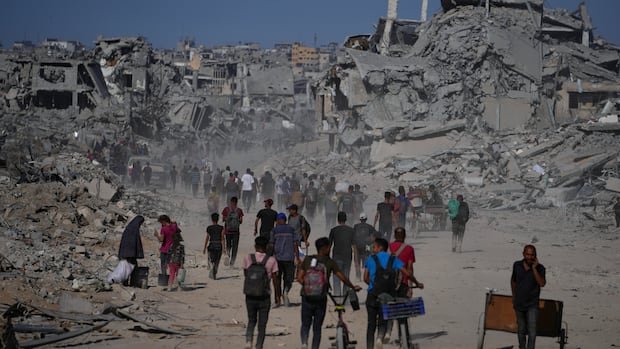
Following the ceasefire’s implementation, a significant number of Palestinians returned to the severely devastated northern Gaza Strip on Friday, as reported by the Associated Press. The conflict has resulted in the deaths of numerous Palestinians and the displacement of approximately 90% of Gaza’s population, which totals around two million people, often displacing them multiple times. Many returning individuals will encounter the remnants of their former homes reduced to rubble.
“The sight of thousands returning north brings optimism and demonstrates the resilience of the Palestinian population,” remarked Haddad.
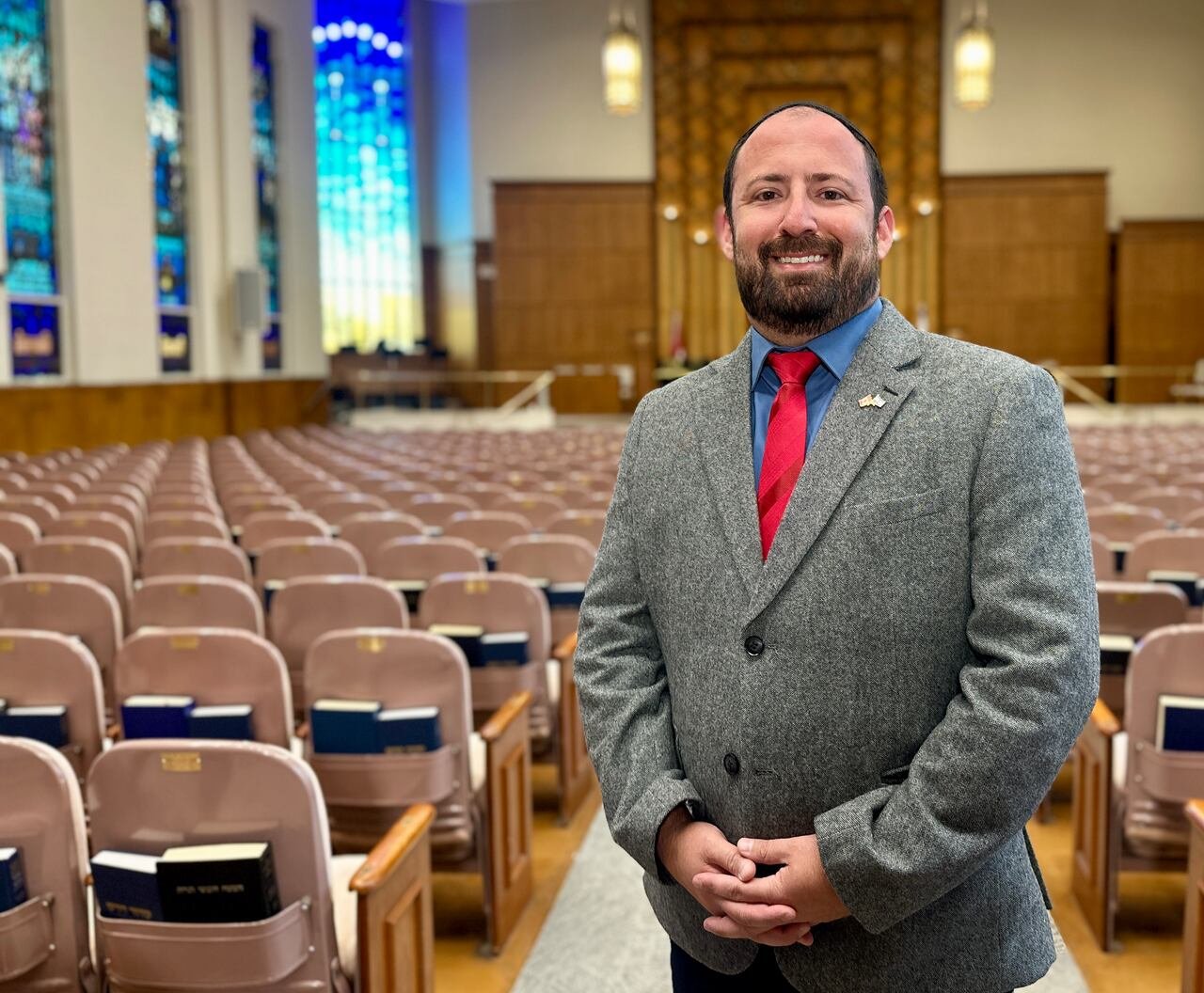
Rabbi Louis Sachs, a clergy member at Beth Sholom Synagogue, welcomed the ceasefire as positive news, reflecting the sentiments of the Jewish community in Toronto.
“Similar to many within the Jewish community, I am hopeful and enthusiastic about the ceasefire and the potential for peace, enabling both Palestinians and Israelis to prosper as neighbors,” Sachs expressed. However, he also added a note of cautious optimism.
(Talia Ricci/CBC)
Sachs acknowledged the support within Toronto’s Jewish community for Israel’s right to existence and self-defense, albeit with varying perspectives on the methods employed.
He emphasized the opportunity for less emotionally charged discussions during this period of peace, highlighting the need for families to be reunited, especially those awaiting news about missing loved ones.
“As we progress through the stages of grief, the next phase involves burying our deceased and moving towards mourning, remembrance, and the construction of a brighter future,” he articulated.
Advocates Stress Rebuilding Efforts in Toronto
Advocates underscore the necessity for reconstruction efforts within Toronto as well.
Jeffrey Wilkinson, an author and co-founder of Conversations Without Walls, an organization facilitating dialogue to bridge understanding between Jewish and Palestinian communities, emphasized the importance of breaking communication barriers.
Wilkinson urged individuals to engage in cross-community conversations, urging people to seek out diverse perspectives and stories beyond their usual sources.
“Interact and listen to narratives different from your own. Expand your horizons beyond a single viewpoint. Engage with others,” he advised.