
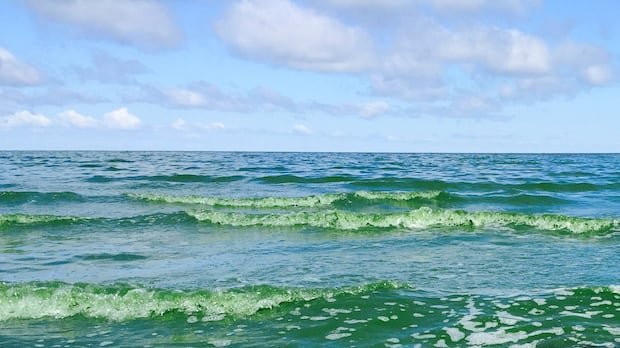

Irradicable zebra mussels, microplastics stemming from wastewater, perennial E. coli concerns, and toxic algal blooms visible from space are ongoing issues affecting Lake Winnipeg that have become familiar and detested by Manitobans.
A less recognized aspect of the situation, now gaining significant attention, is the microscopic realm that could provide insights into the future well-being of one of the largest freshwater basins in our increasingly warm world.
Professor Emily Chase, an internationally trained microbiologist and virologist at the University of Winnipeg, highlighted the oversight of viruses, particularly those infecting microalgae, in comprehending Lake Winnipeg’s ecosystem. Chase initiated research last summer to investigate how viruses interact with Lake Winnipeg’s microalgae, which are crucial single-celled organisms often associated with forming a scummy blue-green film containing harmful neuro-toxins.
Microalgae, despite their negative reputation, play a vital role in harnessing solar energy within Lake Winnipeg’s food chain. From filter feeders to larger fish like walleye caught by fishers, the interconnected web relies on these microorganisms.
Climate change poses a threat to Lake Winnipeg’s delicate balance, with longer summers and warmer waters potentially exacerbating toxic algal blooms, known as cyanobacteria, disrupting recreational activities and commercial fishing.
Chase emphasized the necessity of understanding viruses to grasp the impact of climate change on the lake. By studying virus data and microbial interactions, researchers aim to predict future scenarios for Lake Winnipeg amidst intensifying weather patterns.
Phosphorus and nitrogen from agricultural runoff and wastewater are known culprits contributing to toxic algal blooms in Lake Winnipeg, marking the lake as one of the most endangered globally in 2013. The influence of viruses on broader lake dynamics remains a less-explored area, with researchers speculating their role in algal bloom collapses.
Chase drew parallels with Lake Erie, where diminishing ice cover has disrupted the microbial community, potentially serving as a cautionary tale for Lake Winnipeg’s future. The loss of ice cover and changing environmental conditions could further unsettle Lake Winnipeg’s ecosystem, impacting prized fish stocks and tourism opportunities.
Scott Higgins, a senior research scientist with the International Institute of Sustainable Development, highlighted the potential repercussions of global warming-induced ice loss on Lake Winnipeg’s algae dynamics. Understanding how viruses contribute to algal bloom collapses and toxin release is crucial in preparing for the lake’s evolving state.
Chase’s research is anticipated to bridge knowledge gaps and provide valuable insights into the interplay between viruses, algae, and climate change, offering a clearer understanding of Lake Winnipeg’s future challenges and opportunities.