
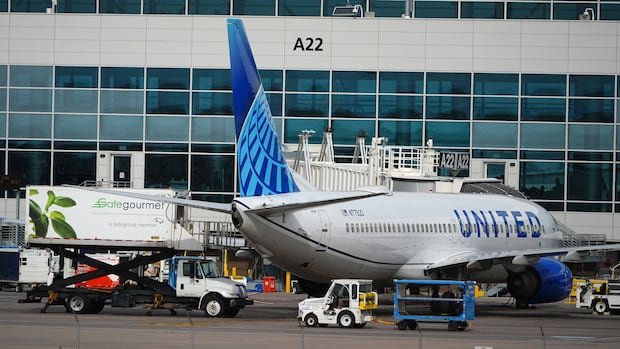

A significant number of flights have been axed throughout the United States this week, with additional cancellations anticipated in the near future. The move comes as airlines adhere to a mandated decrease in service due to the ongoing government shutdown. This reduction, part of the Federal Aviation Administration’s strategy, aims to lower air traffic by 10 percent to address safety concerns stemming from staffing shortages triggered by the shutdown that commenced on October 1.
The decision to cut flights is intended to alleviate the strain on air traffic controllers who are currently working without pay and facing increased instances of absenteeism. The FAA is worried about the escalating risks posed by delays and unpredictable staffing shortages, which are leading to fatigue among controllers and potentially compromising the system’s ability to handle the current volume of operations.
The staffing shortages reached a critical point last month when an air traffic control tower at Hollywood Burbank Airport in Southern California was left unattended, causing disruptions for a pilot preparing for takeoff. U.S. Transportation Secretary Sean Duffy, speaking at the Ronald Reagan Washington National Airport, expressed gratitude for the controllers’ work but emphasized the need to end the shutdown to restore normal air travel operations.
The FAA disclosed that the flight reductions would impact 40 major travel hubs across the country, with cities like New York and Chicago housing multiple affected airports. The agency’s plan involves starting with a four percent reduction on Friday, escalating to six percent next Tuesday, and reaching 10 percent by November 14. However, Duffy cautioned that if the shutdown persists, the U.S. government could mandate airlines to slash up to 20 percent of flights.
As the shutdown, triggered by a funding dispute, continues, it has become the longest in U.S. history, entering its 36th day. President Donald Trump’s refusal to negotiate with Democrats over health insurance subsidy extensions has prolonged the impasse. The potential expiration of these subsidies by year-end could leave many individuals without health insurance, creating a deadlock as Republicans seek changes to the existing health-care program.
While the flight cuts currently impact only domestic U.S. flights, Canadian travelers could face disruptions due to the high volume of cross-border flights operated by Canadian airlines. Airlines like Air Canada, Porter Airlines, and WestJet are already taking measures to manage disruptions and assist affected passengers. The duration of these flight disruptions remains uncertain and hinges on the resolution of the government shutdown, with the FAA indicating that operational restrictions will be lifted once normalcy is restored.