
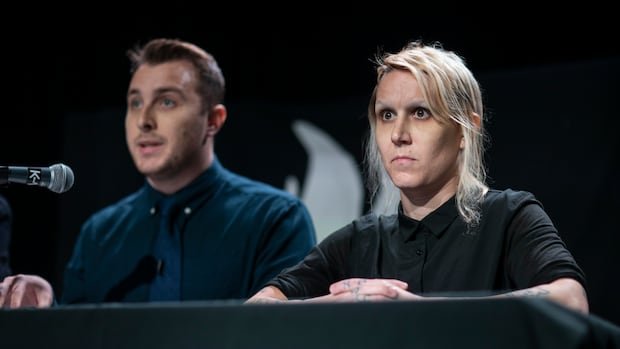

Jeremy Kalicum and Eris Nyx, the co-founders of a compassion club in Vancouver, have been convicted of drug trafficking for selling heroin, cocaine, and methamphetamine to drug users in the Downtown Eastside area. The club, known as the Drug User Liberation Front (DULF), was established in 2022 with the aim of providing safe and uncontaminated drugs to individuals who would otherwise be exposed to dangerous substances like fentanyl and benzodiazepines from illicit sources.
Operating from August 2022 to October 2023, Kalicum and Nyx ran a storefront where they procured drugs from the dark web, conducted thorough lab testing for impurities at university facilities, labeled the drugs clearly, and then distributed them to club members. Despite their argument that some activities of the club should be exempt from legal action, a B.C. Supreme Court judge determined that the founders had violated the law by selling drugs and found them guilty on three counts of possession for the purpose of trafficking.
While the guilty verdict was anticipated by Kalicum, both founders have had their criminal convictions temporarily suspended pending a constitutional challenge lodged by DULF, which is expected to be resolved next year. The court hearing for this challenge is scheduled for November 24.
In her ruling, Supreme Court Justice Catherine Murray acknowledged the founders’ good intentions in running the compassion club to save lives. However, the question at the heart of the trial was whether the exemptions granted to DULF for drug handling also extended to selling the drugs. Despite being designated as an overdose prevention and public health site by Vancouver Coastal Health, the defense’s argument that the club was merely storing drugs for testing did not hold up in court.
The judge emphasized that DULF openly possessed the drugs with the clear intention of distribution to its members, as reinforced by the founders’ public statements and interactions with authorities. Kalicum and Nyx, described as activists seeking change, were fully aware of the legal risks involved in their operations.
Despite Health Canada denying DULF an exemption to operate legally due to safety concerns, the founders pushed forward with their compassion club, emphasizing the urgent need to prevent overdose deaths within their community. The club’s pilot project successfully prevented any overdose deaths in its first year of operation, as highlighted in Justice Murray’s decision.
DULF’s ongoing constitutional challenge argues that shutting down the club violated the Charter rights of the founders and drug users, given the emergency circumstances and life-saving services provided. Amidst criticism from some quarters, DULF’s research showed a reduction in overdoses among club members. The club’s dedication to harm reduction and safe drug supply options will continue to be a point of contention as the legal battle unfolds.