
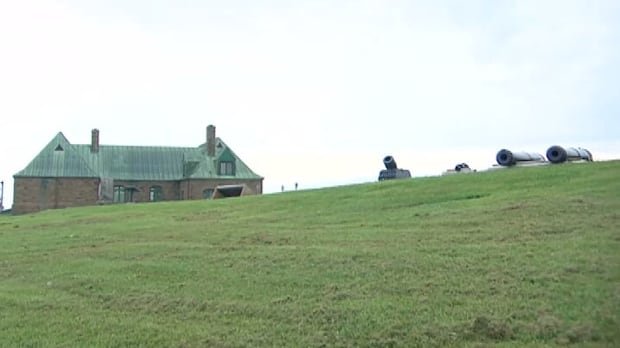

Parks Canada has issued a warning regarding unauthorized archaeological activities at national historic sites spanning the border between New Brunswick and Nova Scotia. Approximately 30 new holes are being discovered daily, raising concerns about individuals using metal detectors to unearth artifacts at Fort Beauséjour–Fort Cumberland National Historic Site in New Brunswick, as well as Beaubassin and Fort Lawrence national historic sites in Nova Scotia.
According to Tim Leblanc Murphy, a spokesperson for Parks Canada, this issue has been ongoing at the sites but has escalated significantly in recent weeks. The park staff has been consistently encountering freshly dug holes, with evidence of nighttime activities, including the discovery of a shovel.
The Beauséjour Marsh area near Aulac holds immense historical significance dating back thousands of years, with Indigenous activity predating the establishment of a French community at Beaubassin in 1671 and the construction of Fort Beauséjour in 1751. Fort Lawrence, built by the British on the former Beaubassin site, was destroyed by the French to prevent British use.
Fort Beauséjour, seized by the British in 1755 and renamed Fort Cumberland, has played various roles in history, including during the War of 1812. Despite previous archaeological work, the rich history of these sites suggests numerous undiscovered artifacts beneath the ground, potentially including cannonballs from past conflicts.
The unauthorized excavation of artifacts at historic sites is a growing concern, as highlighted by Barry Gaulton, an archaeology professor. Similar incidents have been reported at other sites, such as the Colony of Avalon in Ferryland, Newfoundland and Labrador. Gaulton emphasized the risk of losing historical context and stories associated with artifacts when they are removed without proper consent.
Under the Canada National Parks Act, fines for disturbing artifacts at national historic sites can range from $5,000 to $300,000. While fines have not been imposed previously at the New Brunswick site, the recent surge in unauthorized digging may prompt a different response from authorities.
Both Parks Canada and archaeologists like Gaulton hope that the spike in unauthorized activities is an isolated occurrence rather than a growing trend, emphasizing the importance of preserving these sites for future generations.