
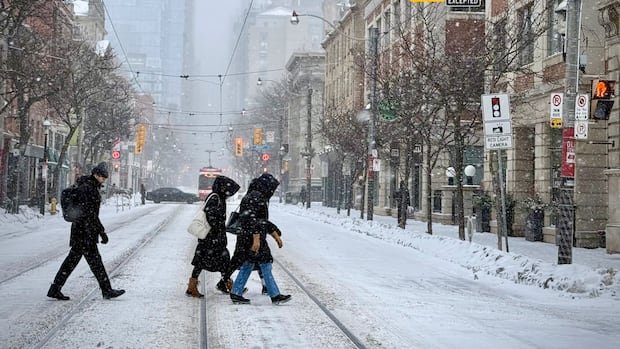

Waymo is set to launch its autonomous driving service in Toronto, facing the challenge of adapting to the city’s winter conditions. The U.S. company announced its plan to begin testing its driverless cabs in Canada’s largest city, aiming to enable riders to hail autonomous taxis by 2028. The testing will involve driving at all times of the day and week to ensure the technology can handle Toronto’s unique driving challenges, particularly snowy conditions.
The company’s previous operations in warmer climates like Los Angeles and Phoenix have not exposed its vehicles to the complexities of winter driving. Waymo’s technology relies on cameras, radar, and lidar systems to navigate, but snow and ice can obstruct these sensors, making them less effective. Additionally, adverse weather conditions can impact the system’s ability to detect objects accurately.
To address these challenges, Waymo is gathering data from snowy regions like upstate New York and Michigan, along with testing in cities like Denver, Minneapolis, and Detroit. The company is leveraging its accumulated driving experience to enhance its autonomous system’s performance in various weather conditions, including below-freezing temperatures and snowy environments.
Waymo is implementing engineering solutions, such as using heaters and windshield wipers to keep sensors clear, and deploying vehicles as “mobile weather stations” to collect real-time weather data. While the company continues to refine its technology for winter conditions, it has not yet validated its driverless system for snowy operations. However, Waymo plans to introduce its ride-hailing service in Toronto by 2028, allowing sufficient time to address winter-related challenges and improve its capabilities gradually.
Experts suggest a phased approach for autonomous vehicles, operating in favorable weather conditions initially and gradually expanding functionality to handle more challenging environments as the technology advances. This iterative process may take several years, requiring continuous testing and refinement to ensure safe and reliable autonomous driving in all weather conditions.