
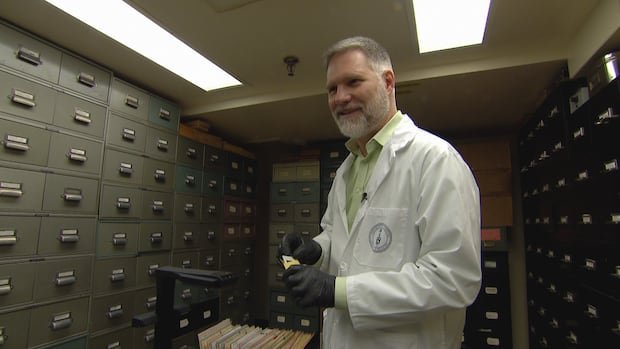

A distinctive assortment of tiny fungi crucial for Canadian medical and biodiversity studies has been safeguarded from being transferred abroad. The UAMH Centre for Global Microfungal Biodiversity has secured a $1 million contribution from the Weston Family Foundation, ensuring its retention in Canada for domestic utilization.
The Weston Family Foundation highlighted the biobank’s potential to drive medical breakthroughs, public health readiness, and innovation for future generations. Ayush Kumar, a University of Manitoba researcher, expressed excitement over the preservation of this valuable resource in Canada, emphasizing its significance for research on new antibiotics. University of Toronto’s James Scott was astonished by the donation, estimating that it will offer financial support for approximately five years, enabling the center to establish a sustainable long-term plan.
The collection, touted as the largest in the western hemisphere, houses nearly 12,000 specimens from 3,200 species globally, catering to Canadian researchers and firms. These fungi, including disease-causing strains, play a crucial role in drug discovery, species conservation, and climate change-related research. Fungi are recognized as potential sources of novel antibiotics due to their chemical properties.
Mary Berbee, a University of British Columbia botany professor, emphasized the importance of preserving such collections to facilitate reproducibility in scientific studies. The biobank contains two-thirds of the world’s unique strains, essential for ongoing research efforts. The funding shortage faced by the collection in 2024 prompted concerns about its future, leading to collaborative efforts to secure its sustainability.
Following media coverage of the biobank’s challenges, foundations approached Scott for support, culminating in the Weston Family Foundation’s grant offer. The biobank’s renewed focus on outreach to researchers and institutions indicates a shift towards enhancing accessibility and sustainability. Plans to digitize specimen cataloging and explore alternative funding mechanisms are underway to ensure the center’s longevity and continued contributions to scientific advancements.